How to Find the Best Basketball Shoes for Your Playing Style
Basketball is a game of constant movement. You sprint down the floor in transition, change direction on a dime to lose your defender, rise for rebounds, and land with force. Every one of those actions places stress on your feet, ankles, and knees. That is why footwear is more than just style; it is the difference between peak performance and a rolled ankle.
Just as a proper diet fuels the body to handle the demands of the game, the right footwear provides the foundation for safe, efficient movement. Both are often overlooked, but together they play a big role in performance outcomes. And when you look at basketball stats such as shooting percentages dropping late in games or injury rates over a season, it becomes clear how much preparation off the court in areas like nutrition, conditioning, and equipment influences what happens on the court.
This guide is built to help find the best basketball shoes for your playing style. By the end, you will know the key features of basketball shoes, how they link to guards, forwards, and centres, and how factors like cushioning, traction, and durability should influence your choice. Think of this as your personalised basketball shoe guide, designed to make sure your feet are ready for every move you make on the court.
Know Your Playing Style First
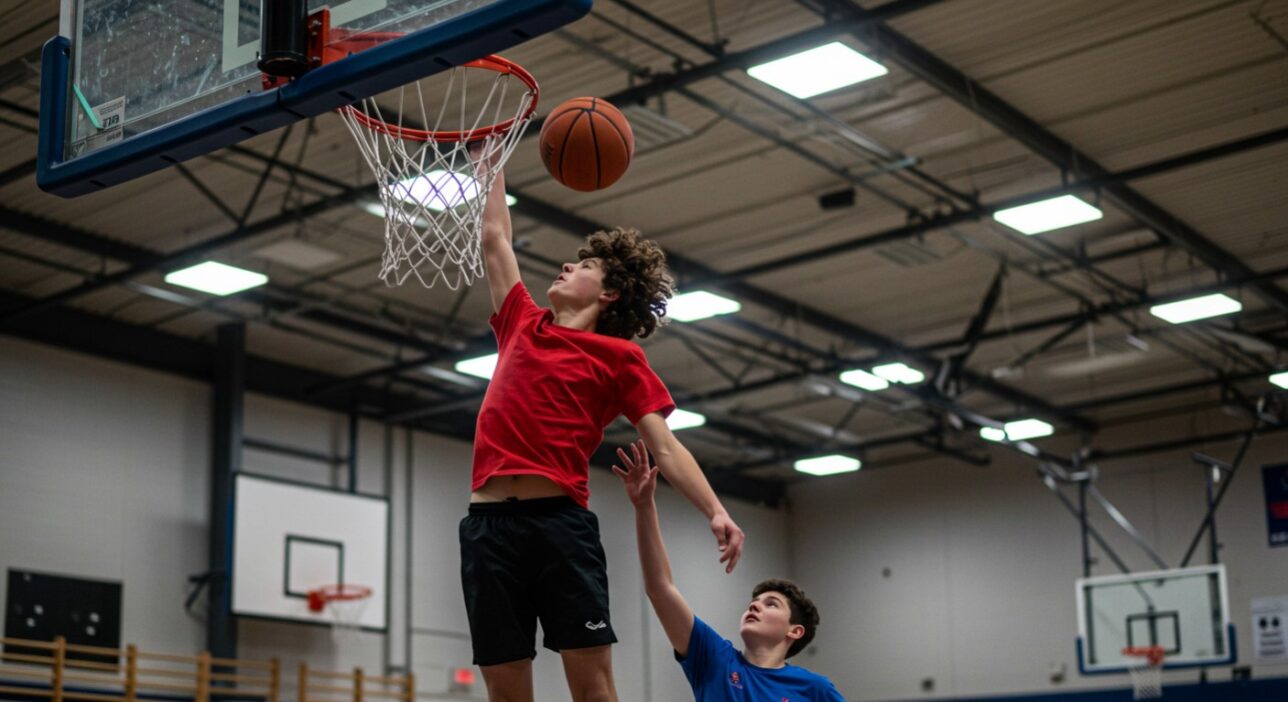
Before you even step into a shop, the first question is: how do you play? Basketball isn’t one-size-fits-all, and neither are shoes.
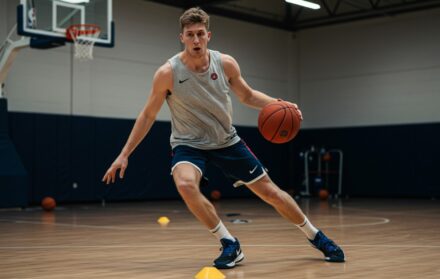
Guards are the dynamos of the court. Think point guards and shooting guards who need speed, agility, and responsiveness. They’re constantly changing pace, driving past defenders, and stopping suddenly. Guards benefit from lighter shoes with superb traction and a low profile for court feel.
Forwards live in both worlds. Small forwards balance agility with scoring versatility, while power forwards mix strength with mobility. They need footwear that offers a blend of support and flexibility — not too bulky, not too flimsy. The shoe has to help them both slash to the rim and hold their ground in defensive stances.
Centres dominate the paint. Their focus is rebounding, rim protection, and post play. Every jump and landing sends shockwaves through their joints, so their footwear must prioritise support, cushioning, and a stable base. Centres sacrifice some lightness for maximum protection.
Even within these broad categories, personal nuances matter. A guard who thrives on slashing drives may prefer more cushioning than a three-point specialist. A centre who runs the floor more than banging in the post may look for slightly lighter designs. Ultimately, identifying your playing style is the foundation — without it, buying basketball shoes is like choosing cricket pads for a sport you don’t play.
Key Features That Make or Break a Shoe
Once you know your style, you can assess the features that truly matter. Here’s what separates an average shoe from the best basketball shoes for your playing style.
Traction
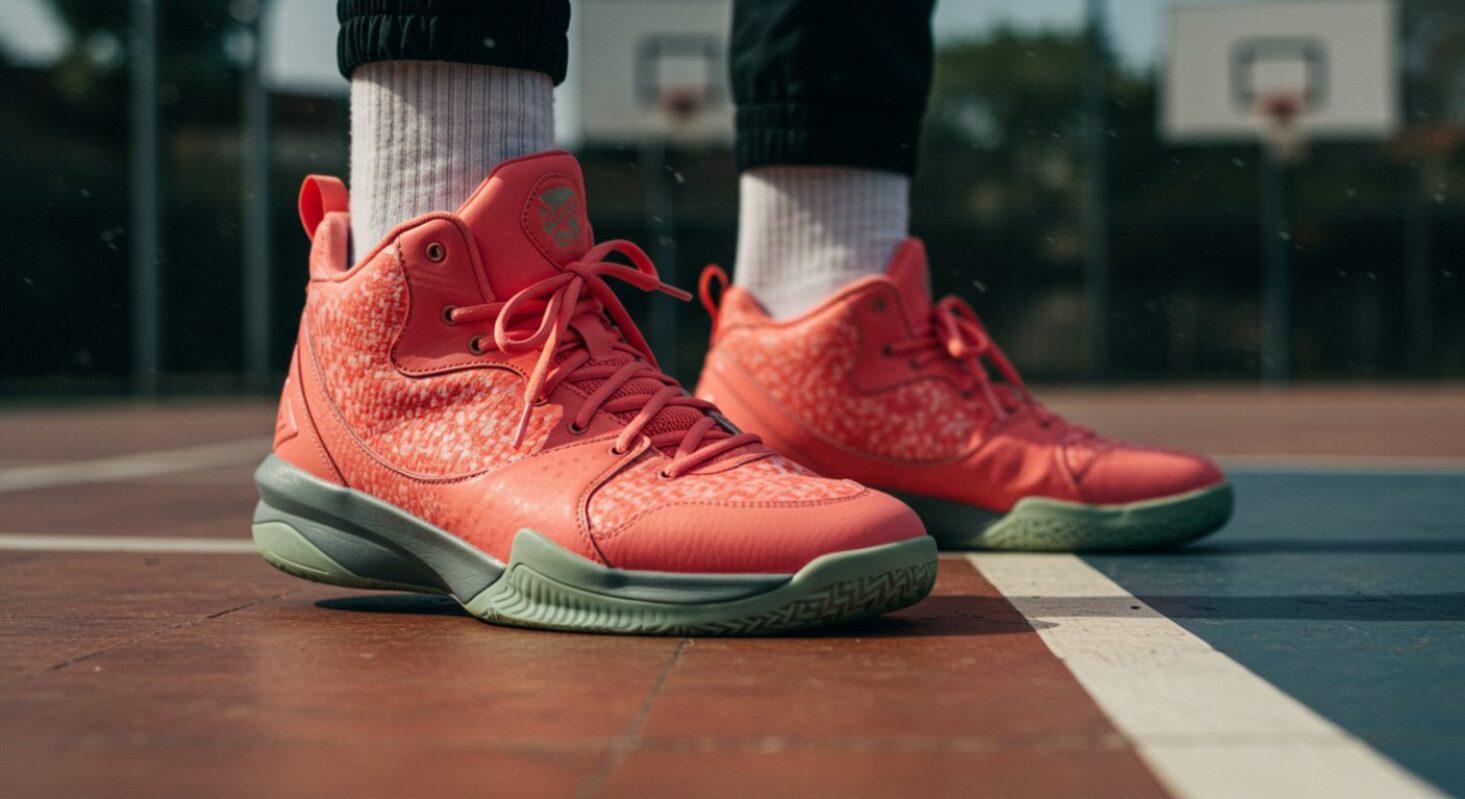
Arguably the most crucial feature. The outsole’s grip determines how well you cut, stop, and accelerate. For indoor hardwood courts, shoes with multidirectional herringbone or radial patterns work best. Outdoor players should seek a harder rubber that withstands rough asphalt. Weak traction means slipping at the worst moment.
Cushioning
Cushioning affects comfort, responsiveness, and protection. Some technologies favour bounce and spring, ideal for guards. Others are plush and impact-absorbing, suited to forwards and centres. The trick is balancing softness with responsiveness — too much cushion can make a shoe feel heavy and slow.
Support and Lockdown
Support keeps your foot stable; lockdown ensures it doesn’t slide inside the shoe. High ankle collars, internal heel counters, and secure lacing systems all play a role. Guards may go low-cut for freedom, but that demands excellent lockdown. Centres often prefer mid-to-high tops for added ankle protection.
Durability
Not all shoes survive the same environments. Indoor shoes may crumble outdoors within weeks. If you’re a streetball regular, prioritise thick rubber outsoles and reinforced uppers. Indoor players can focus more on grip and weight.
Fit and Comfort
No feature works if the shoe doesn’t fit your foot. Wide-foot players should avoid narrow models, while those with flat arches may need added insole support. Comfort must be non-negotiable.
These features combine differently depending on role, but always ask: Does this shoe help me play my game more efficiently?
Best Shoes for Guards (Quick and Agile Players)
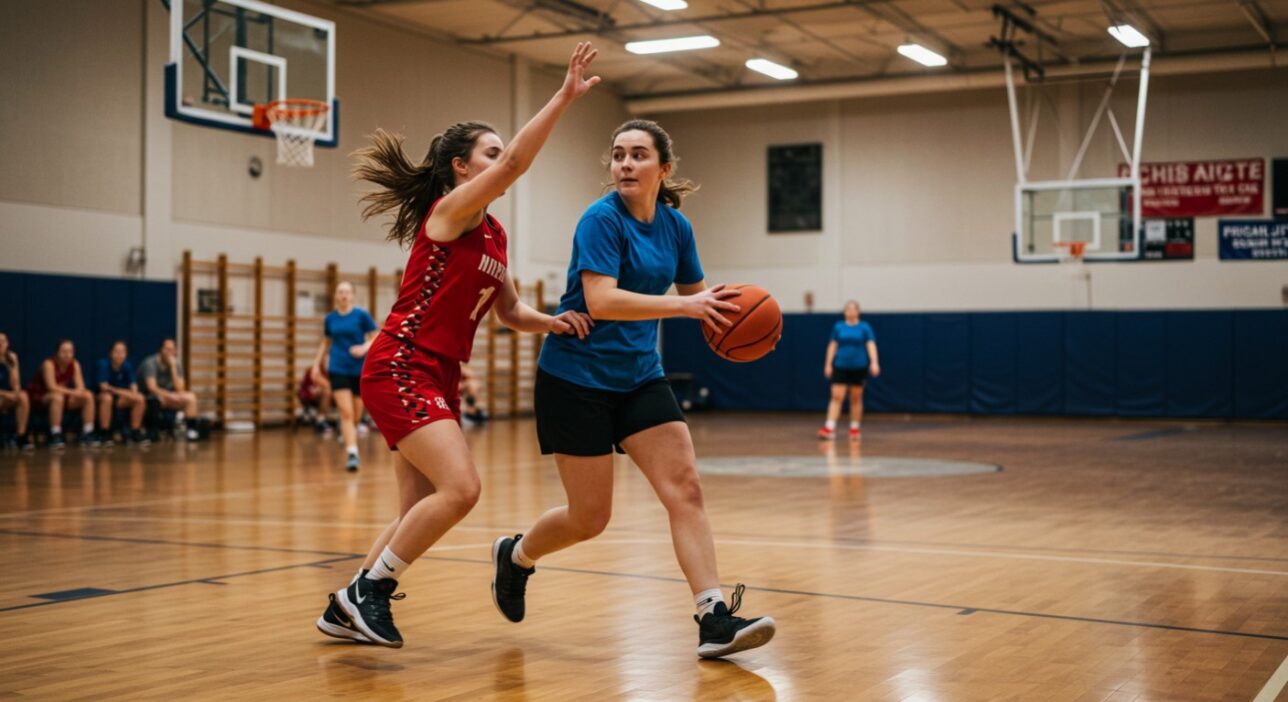
Guards win with agility. Shoes for guards must be light, responsive, and grippy.
Traction is critical for crossovers, hesitations, and sudden pull-ups. Guard shoes often feature advanced traction patterns that allow explosive starts and controlled stops. Cushioning tends to be more responsive than plush, giving better court feel. Low- or mid-cut builds reduce weight and allow ankle mobility.
Examples include lines designed for shooters and agile players, such as the Curry series, known for quick-release traction, and Kyrie shoes, built for sharp cuts. Adidas Harden models also appeal to ball handlers seeking responsiveness.
If you’re a guard, think speed over bulk. The right shoes give you that razor-sharp first step that leaves defenders reaching.
Best Shoes for Forwards (All-Rounders)
Forwards need balance: scoring, defending, and rebounding. Their shoes must reflect that versatility.
Cushioning is essential since forwards take plenty of contact, so reliable setups absorb shock on drives and rebounds. A medium approach — neither too plush nor too firm — keeps them mobile yet safe. Mid-cut silhouettes balance mobility with protection, while traction remains important for small forwards making quick cuts.
LeBron’s signature line is robust for power forwards, while Jordan models like the Zion range provide a versatile balance of explosiveness and control.
A forward’s shoe should feel like armour without turning into a brick — strong, reliable, and versatile.
Best Shoes for Centres (Power and Protection)
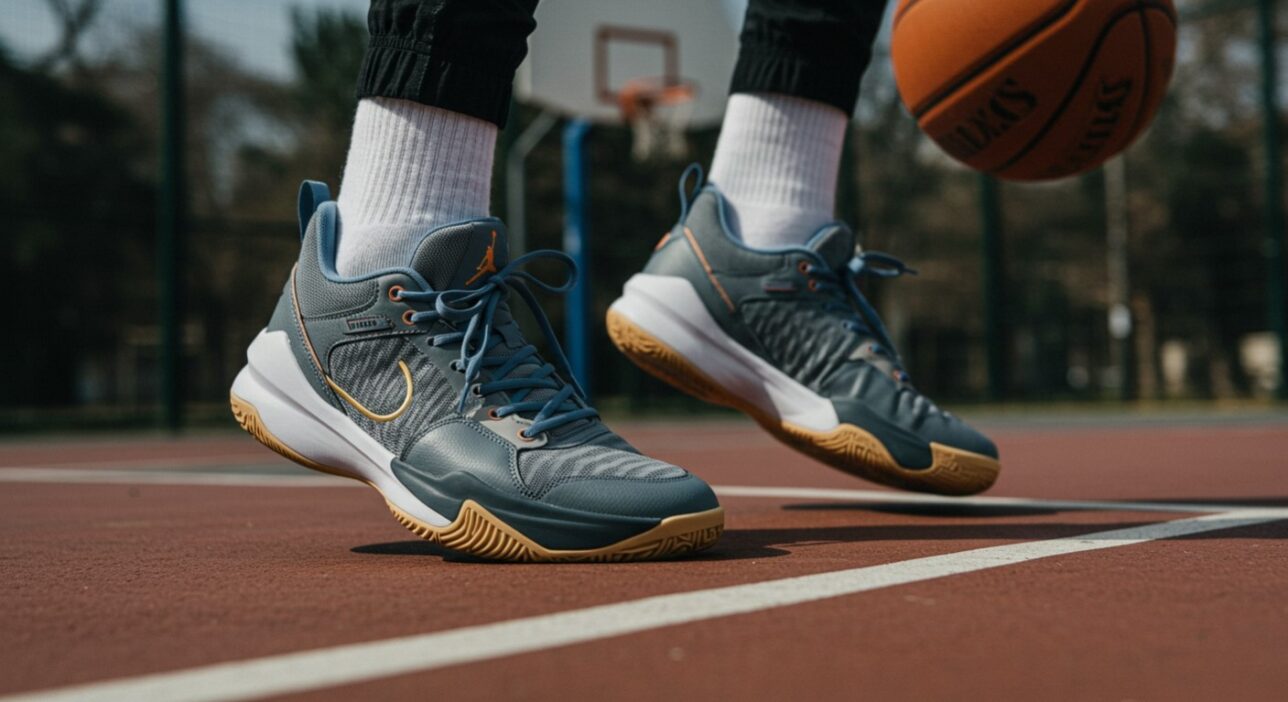
Centres need maximum support. Their shoes must endure the toughest play.
Cushioning is thick and shock-absorbing, protecting joints from relentless jumping. Support comes from high collars and wide platforms, preventing rolling ankles and providing stability under the rim. Durability is crucial since big men put tremendous pressure on their footwear.
Nike Air Max models often suit centres, providing plush impact protection. Under Armour Embiid shoes were designed specifically for big men’s stability needs.
Centres should never compromise on protection. It’s better to have a slightly heavier shoe than to risk injury.
Don’t Forget Fit and Comfort
Even the perfect model fails if the fit is wrong.
Always measure both feet — size can differ slightly. Consider width as well as length. New basketball shoes often need a few sessions before they feel natural, so start with shorter practices to break them in. Socks also matter: thicker for comfort, thinner for responsiveness, with anti-slip grip socks enhancing lockdown.
Avoid the myth of “buying a size up.” Loose shoes ruin lockdown, cause blisters, and risk ankle injuries. Comfort should never be sacrificed. If a shoe feels off in the shop, it won’t magically improve during play.
Indoor vs Outdoor Basketball Shoes
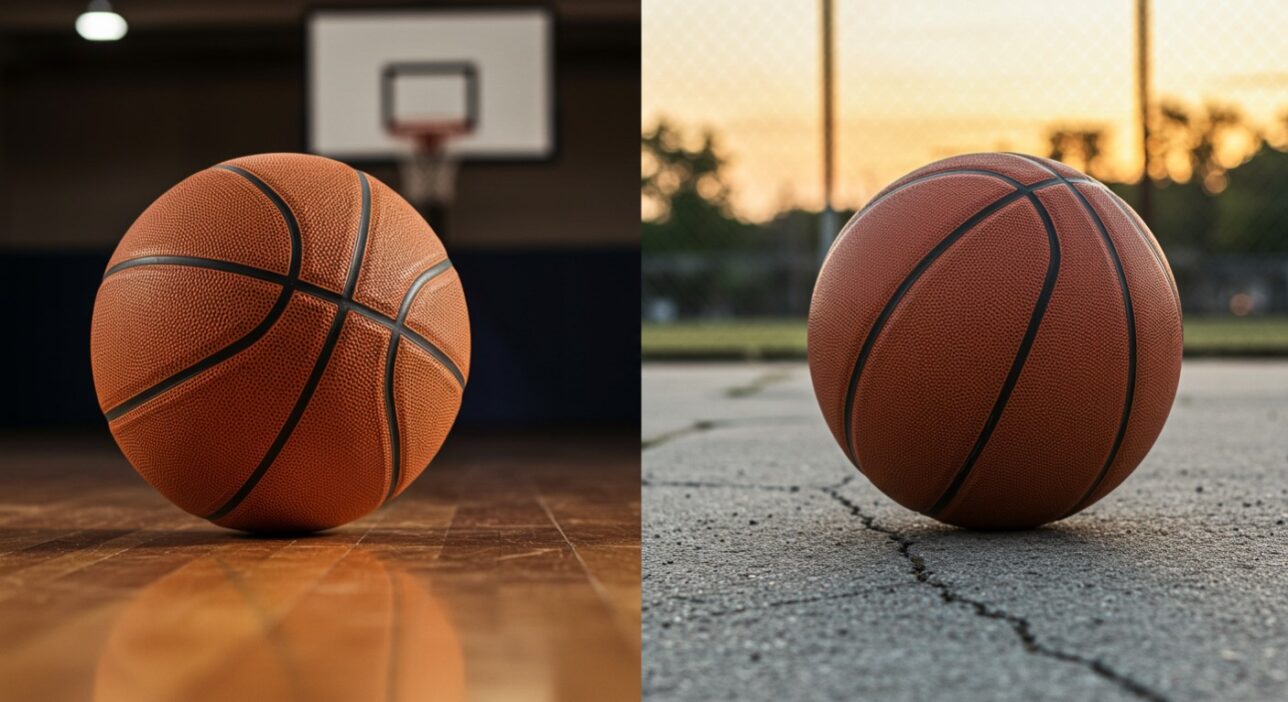
Where you play matters almost as much as how you play.
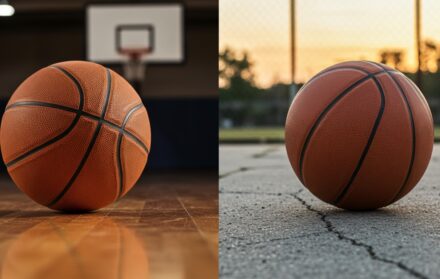
Indoor shoes are optimised for hardwood courts: softer rubber, elite traction, lighter materials. They grip beautifully indoors but wear down fast outside. Outdoor shoes prioritise durability, using harder rubber and reinforced uppers that survive concrete or asphalt.
Hybrid players — those switching between school gyms and park courts — should consider affordable, durable pairs for outdoor use while reserving premium traction shoes for indoor use.
Budget, Branding and Value for Money
It’s tempting to think the best basketball shoes for your playing style must be the most expensive. Not true.
Flagship models like LeBron, Curry, and KD often cost the most but showcase cutting-edge tech. Mid-tier models frequently use older but proven cushioning systems and can cost half as much while performing nearly as well. Team shoes — general releases without a star’s name — can also be an excellent value if they suit your foot and style.
Think about how often you play. Daily players might splurge for durability and comfort. Casual hoopers may be better off saving money. Branding isn’t everything — fit and performance should guide you.
Tips for Buying and Maintaining Your Shoes
Try before you buy. Don’t just walk around the shop — cut, sprint, and jump to test support. Choose shoes built for your surface: if you mainly play outdoors, avoid premium indoor soles that wear down fast.
Keep shoes clean. Dirt kills traction, so wipe soles after each game. If you play often, rotating pairs extends life. And finally, buy only from trusted shops or brand stores to avoid counterfeits that compromise quality and safety.
Conclusion: Match Your Shoes to Your Game
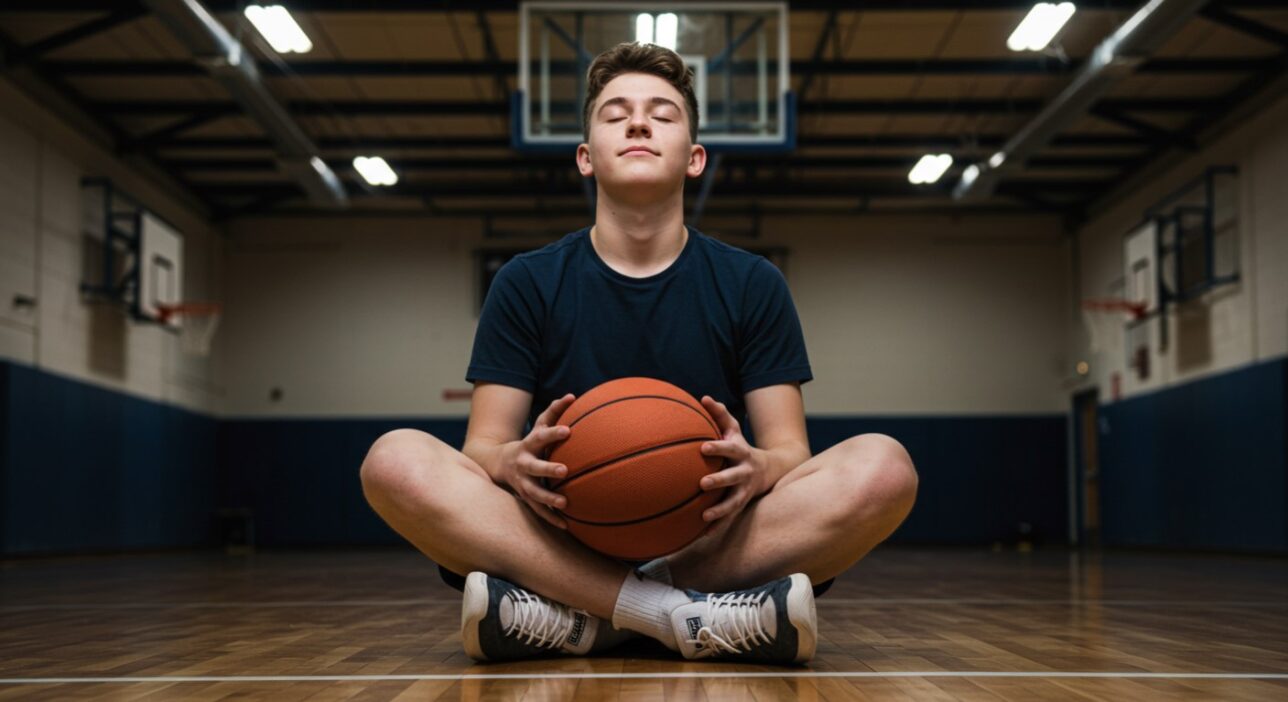
The best basketball shoes aren’t about the flashiest name or the highest price tag. They’re about alignment. A guard needs quickness and traction, a forward needs balance, and a centre needs strength and protection. Add in the right fit, comfort, and durability for your court environment, and you’ve got the perfect partner for your game.
Think playing style first, brand second. Once you know how you move, the shoe becomes more than equipment — it’s an extension of your game. With the right pair underfoot, you’ll play with confidence, move freely, and unlock performance you didn’t know you had.