What’s the Best Basketball Training for Kids?
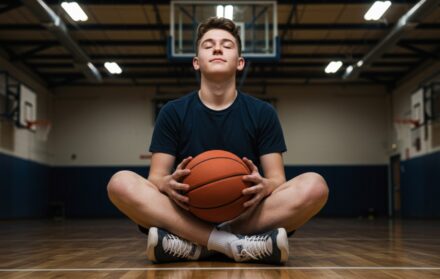
Basketball is one of the most accessible and exciting sports for children. All you need is a ball, a hoop, and a bit of space, and suddenly, kids are running, jumping, and learning how to work as a team. Unlike some sports that require expensive equipment, basketball has a low barrier to entry, which makes it perfect for schools, community programmes, and playgrounds.
Starting young gives children a head start not only in basketball skills but also in vital life lessons. Early training improves coordination, balance, and timing while nurturing qualities like confidence, discipline, and resilience. Just as importantly, it encourages friendships and social development through teamwork.
This guide explores what the best basketball training for kids looks like. From the fundamentals of dribbling and shooting to fun drills that keep children engaged, we’ll cover how to build a training approach that’s both age-appropriate and effective.
The Golden Rule: Keep It Fun and Age-Appropriate
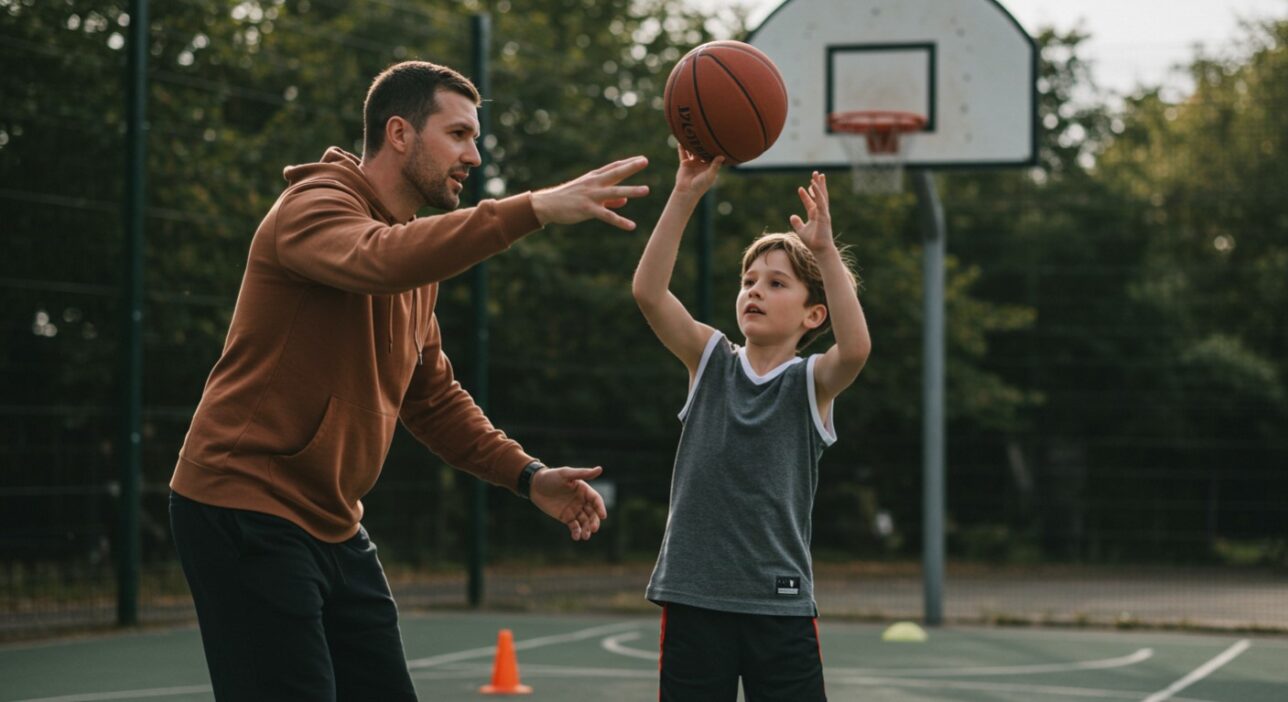
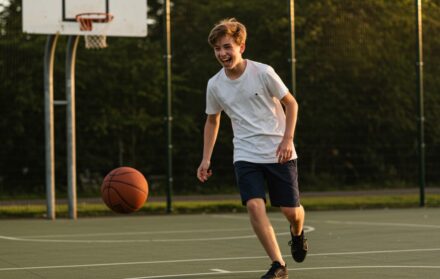
For kids, especially those under 12, basketball training should never feel like a military camp. Children are more likely to develop their love for the game when sessions feel playful and engaging. If training is too rigid or serious, kids can lose interest quickly.
Fun creates better retention. A child who enjoys training will want to come back for the next session, and this regular exposure is what builds lasting skills. Playful drills, games with a basketball, and competitions designed for their level work better than repetitive, overly structured exercises.
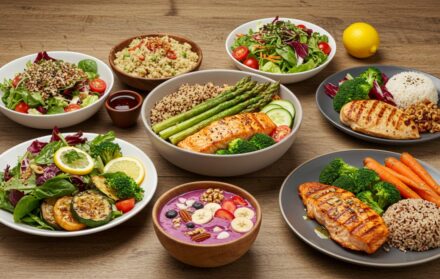
It’s also important to adjust the difficulty to the child’s age. A seven-year-old might need smaller basketballs and lower hoops to make shooting achievable. These small adjustments keep kids motivated by allowing them to experience success while learning. And just as training should match their stage of development, a balanced diet that supports energy, focus, and recovery plays a key role in helping young players enjoy the game and improve over time.
Fundamental Skills Every Kid Should Learn
The foundation of basketball is built on four core areas: dribbling, passing, shooting, and footwork.
Dribbling
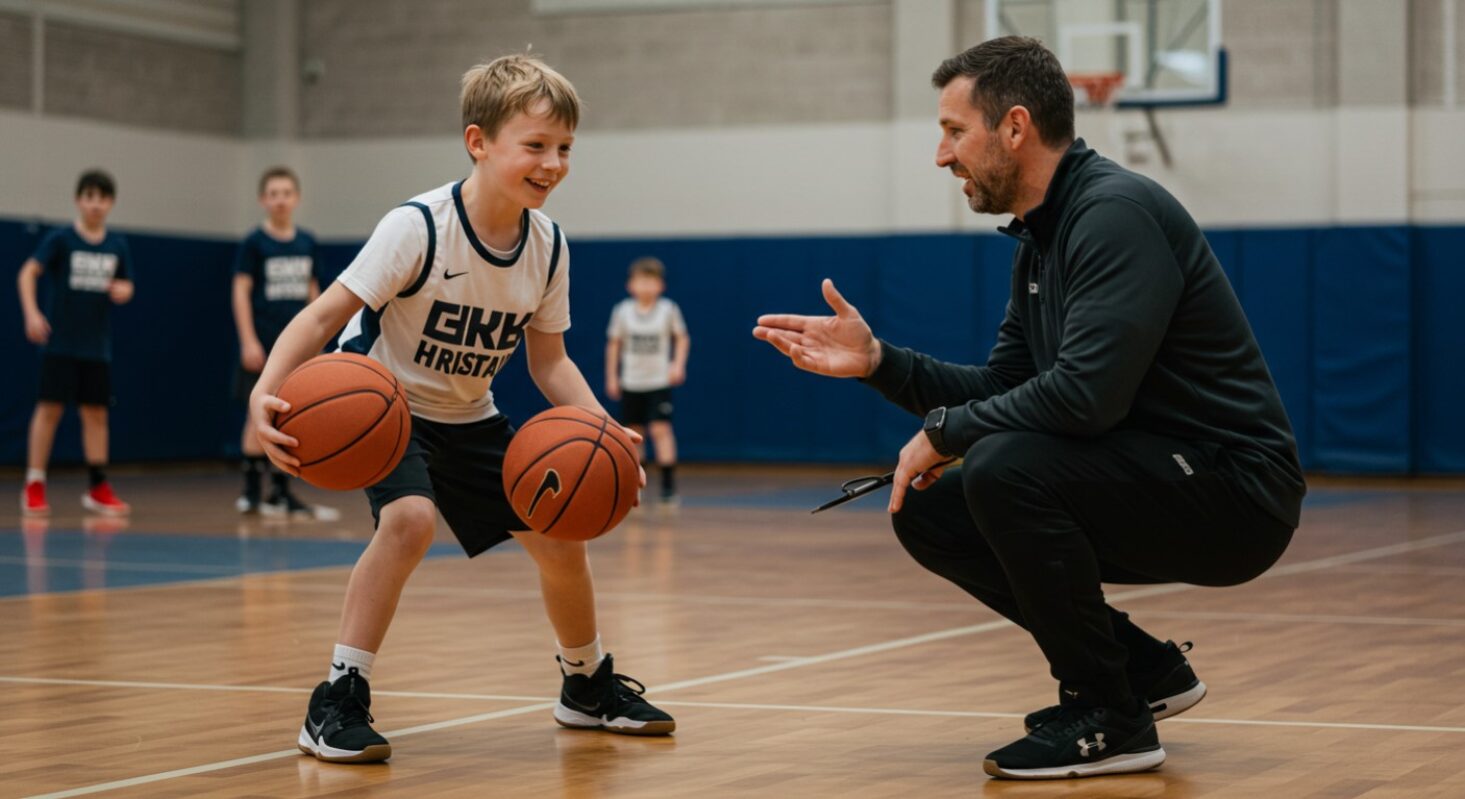
Kids should learn to dribble with both hands, keeping their eyes up rather than glued to the ball. Start with simple walking dribbles, then move to jogging and zig-zag patterns.
Passing
Introduce the chest pass, bounce pass, and overhead pass. Passing games develop accuracy while encouraging teamwork. Coaches should emphasise that passing builds opportunities, not just highlight-reel shots.
Shooting Basics
At a young age, it’s about correct form, not range. Lower the hoop so kids can shoot with proper technique instead of developing bad habits by heaving the ball. Layups should be introduced early, using both left and right hands.
Footwork
Simple concepts like pivoting, jump stops, and establishing a triple-threat position give children balance and stability. These fundamentals will later serve as the backbone for advanced moves.
Repetition is key, but variety keeps it from feeling monotonous. Rotate between skill areas so kids stay engaged while still reinforcing the basics.
Best Training Drills for Kids
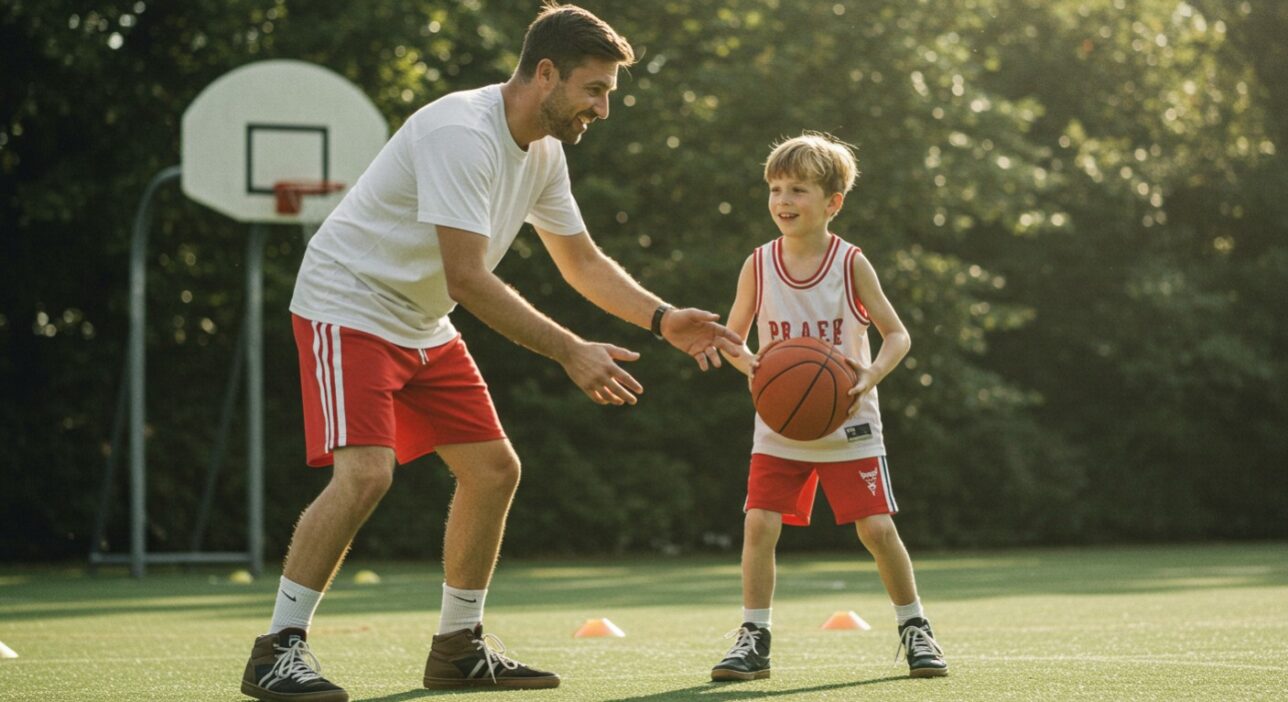
Great drills combine fun with skill-building. Here are examples coaches and parents can use:
Dribbling Drills
-
Dribble Tag: players dribble while trying to knock away opponents’ balls.
-
Zig-Zag Cones: kids weave through cones, practising control and changes of direction.
Passing Games
-
Partner Passing Challenges: pairs pass back and forth, gradually increasing distance.
-
Moving Target Drill: players pass to a coach or teammate walking across the court.
Shooting Contests
-
Around the World: simplified to shorter spots around the hoop.
-
Knockout: adjusted for kids, using softer rules so no one is eliminated too quickly.
Defensive Basics
-
Mirroring Game: kids mirror a partner’s movements in a defensive stance.
-
Closeout Drill: players run to a spot, break down into stance, and contest a “shot.”
The best drills make kids laugh while teaching essential skills.
Building Fitness the Basketball Way
Kids don’t need weight training or intense conditioning. Instead, use basketball-themed activities to build agility, coordination, and endurance.
Agility ladders improve footwork and speed. Relay races with dribbling build cardiovascular fitness while still feeling like games. Jumping drills, such as vertical leap challenges or skipping games, help develop explosive movement. Balance exercises — like dribbling while standing on one foot — improve stability and ball control at once.
Fitness at this stage should always feel like play. Children learn best when exercise doesn’t feel like “work.”
Teamwork and Communication Training
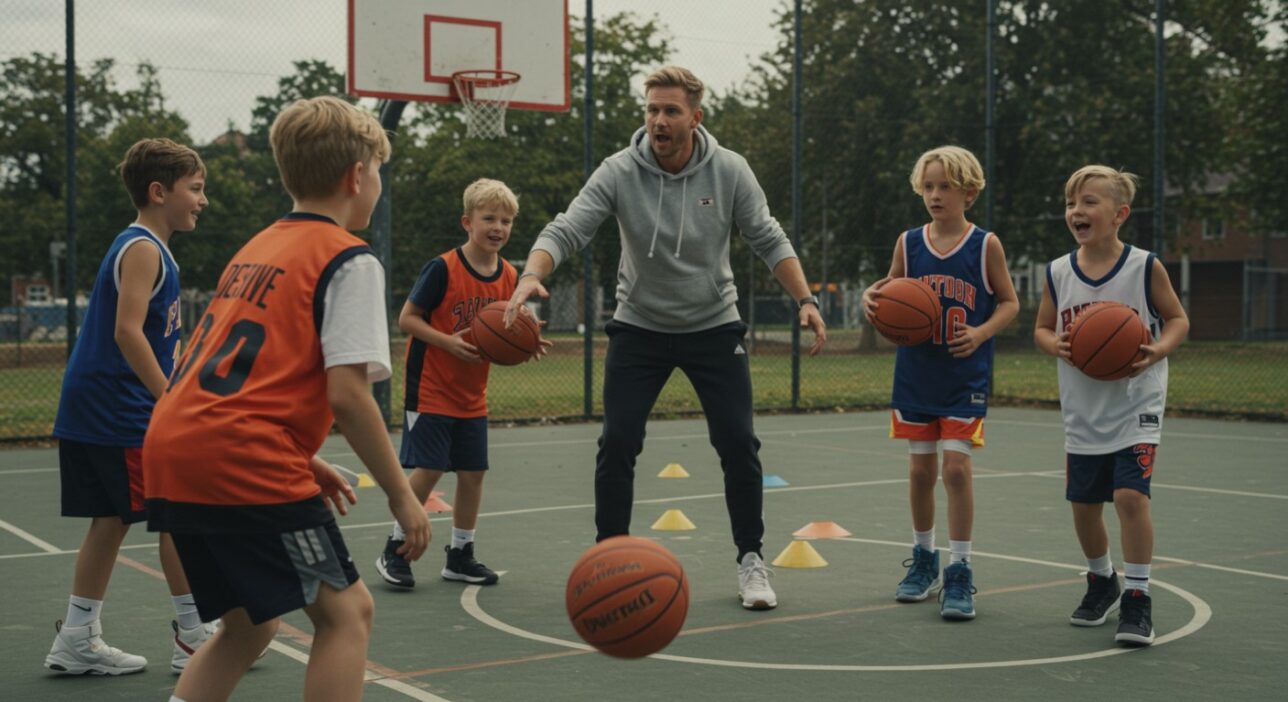
Basketball is a team sport, and learning to play with others is just as important as individual skills.
Encourage kids to pass the ball at least once before shooting in scrimmages. Reward teams that work together rather than only focusing on points scored. Group activities that require calling out names before passing build communication.
Respect is key: coaches and parents should emphasise sportsmanship, teaching children to respect teammates, coaches, referees, and opponents. These values carry into life outside basketball.
Training by Age Group
Basketball training evolves as children grow.
Ages 5–7
The focus is on the introduction. Use mini-balls and lowered hoops. Simple games like dribble races and shooting challenges build familiarity. Winning doesn’t matter — joy does.
Ages 8–10
Now, kids can begin building stronger fundamentals. Introduce structured drills with more repetition, though still in game formats. Small-sided games (3v3 or 4v4) give more touches and decision-making opportunities.
Ages 11–13
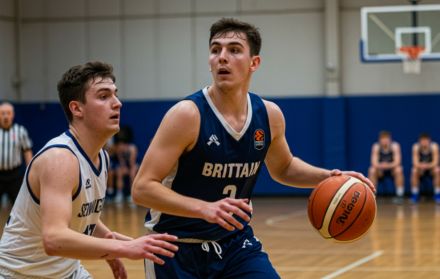
This stage is about developing consistency. Players can handle longer practices, more advanced drills, and begin to learn tactical ideas like spacing, defence, and fast breaks. Competitive games become more common.
Ages 14+
Here, training becomes preparation for serious school or club basketball. Intensity increases, strength and conditioning elements can be introduced, and strategy plays a bigger role. The foundation laid in earlier years allows players to focus on performance.
How Often Should Kids Train?
For beginners, two to three sessions per week are usually enough. More can risk burnout or injuries, especially if kids are balancing schoolwork and other activities. Rest is as important as training for young bodies.
As children grow more competitive, training can increase, but the focus should remain on sustainable development. Early overtraining leads to fatigue and can even drive kids away from the sport. Balance is the key — encourage them to enjoy basketball alongside other sports and hobbies.
Coaching and Parent Roles
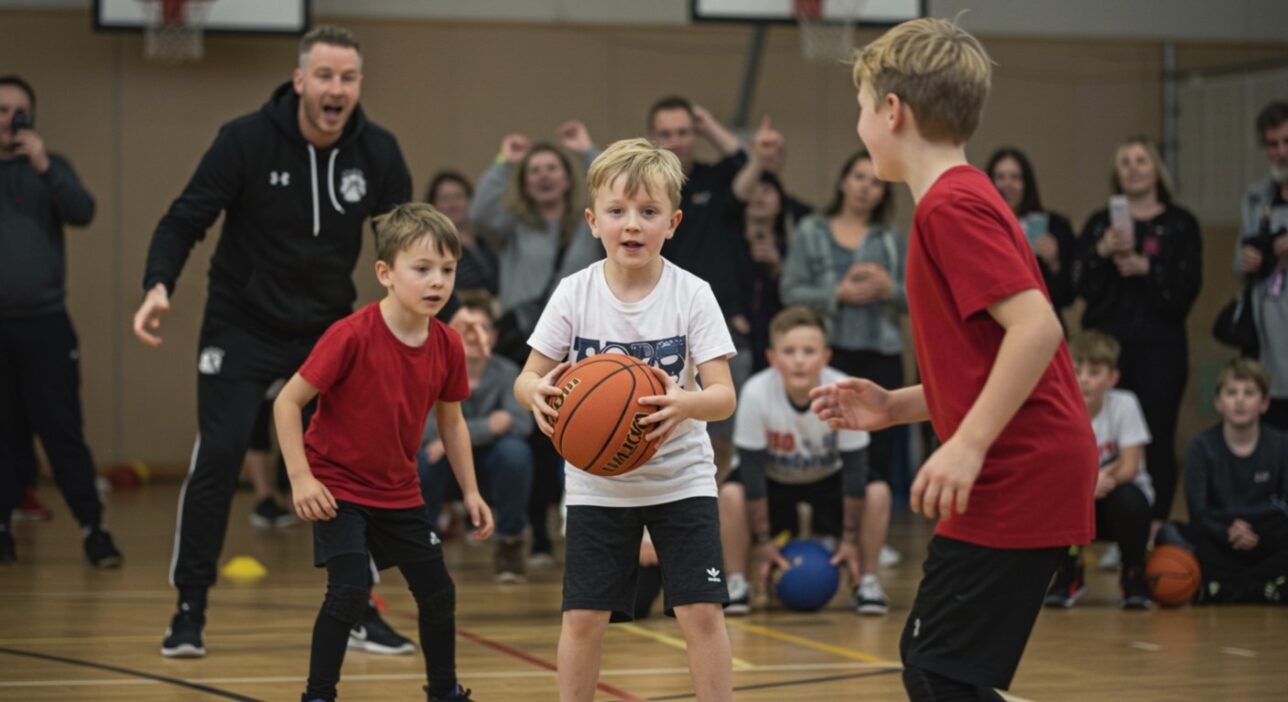
Coaches provide structure, technical instruction, and encouragement. The best youth coaches create safe environments where kids feel free to make mistakes and learn. They use positive reinforcement rather than criticism.
Parents should support without pushing too hard. Cheering from the sidelines, helping kids practise casually at home, and maintaining balance between sport and school are more valuable than pressuring them to “win.”
A good youth basketball programme or academy should offer trained coaches, age-appropriate facilities, and a philosophy centred on development rather than early success.
Common Mistakes in Kids’ Basketball Training
Several pitfalls can hinder young players’ progress:
-
Overemphasis on winning: Focusing on results at the expense of learning discourages kids.
-
Forcing early specialisation: Children benefit from playing multiple sports for overall development.
-
Skipping fundamentals: Chasing advanced moves like step-backs before mastering footwork can lead to bad habits.
-
Excessive pressure: Harsh criticism or unrealistic expectations cause stress and burnout.
Correcting these mistakes keeps training positive and effective.
Youth Basketball Training Drills and Focus by Age Group
| Age Group | Training Focus | Skills Emphasised | Example Drills & Activities | Coaching Tips |
|---|---|---|---|---|
| 5–7 years (Introduction) | Develop comfort with the ball, motor skills, and enjoyment | Basic dribbling, hand-eye coordination, simple passing and catching | • Dribble races with both hands • Balloon basketball (lighter ball for confidence) • Mini-hoop layups • Partner rolling/catching games | Keep sessions short and playful; celebrate effort, not accuracy |
| 8–10 years (Building Basics) | Strengthen fundamentals with structure and small games | Dribbling control, chest and bounce passes, layups, shooting form, defensive stance | • Zig-zag dribbling through cones • Partner passing challenges (moving targets) • Layup lines with weak-hand focus • 3v3 or 4v4 small-sided games | Introduce rules gently; encourage using both hands and both sides of the court |
| 11–13 years (Skill Development) | Introduce more advanced drills and decision-making | Defensive footwork, shooting technique, fast breaks, rebounding | • Defensive mirroring drills • “Around the world” shooting contest • 3-man weave for passing/transition • Box-out rebounding practice | Start video feedback; stress teamwork and communication during drills |
| 14–15 years (Competitive Readiness) | Prepare for higher-level play, increase intensity | Tactical awareness, conditioning, shooting under pressure, and offensive sets | • Full-court scrimmages with set plays • Pick-and-roll drills • Fast-break decision-making scenarios • Agility ladders, plyometric jumps | Focus on game situations; introduce scouting basics and team roles |
| 16+ years (Advanced/Elite Youth) | Fine-tune for competition or pathways to clubs/academies | Strength, endurance, advanced tactics, mental resilience | • Structured offensive/defensive systems • Strength training with bodyweight and light resistance • Film study of own play • Simulated high-pressure shooting drills | Emphasise leadership, resilience, and balancing sport with academics and recovery |
Conclusion: Building Lifelong Skills Through Basketball
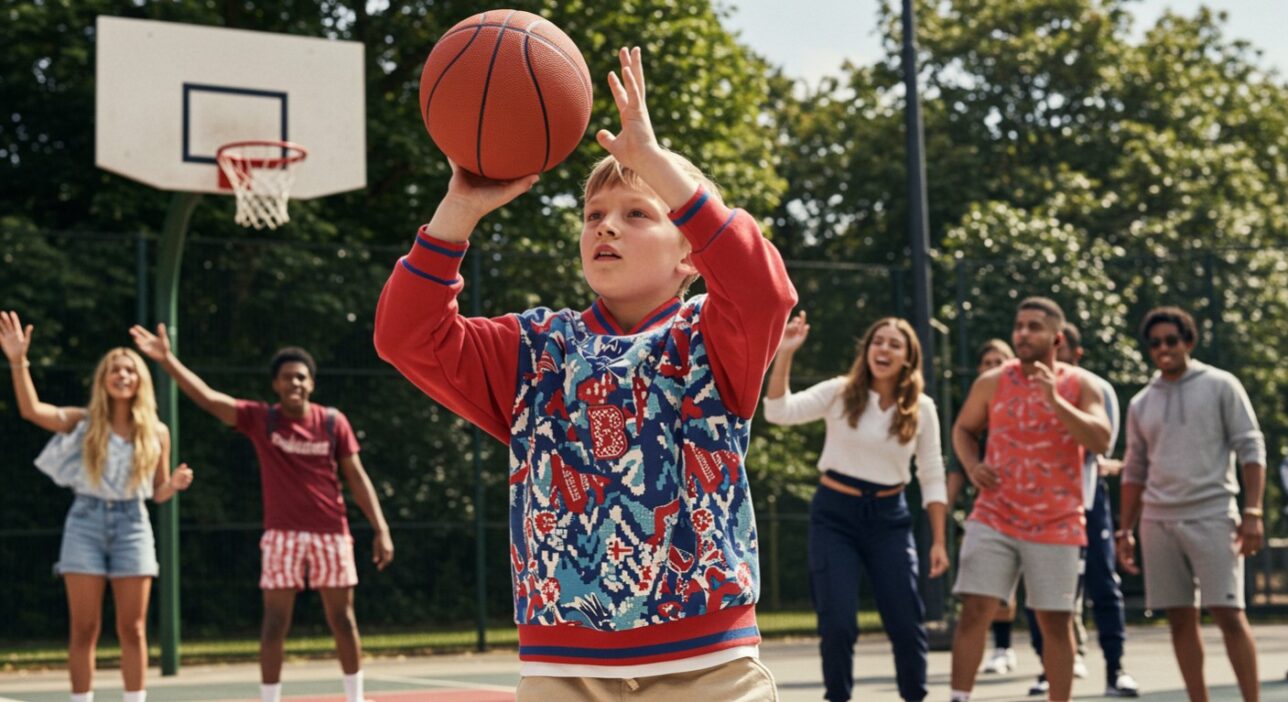
The best basketball training for kids is more than teaching them how to dribble or shoot. It’s about nurturing a love for the game, instilling discipline, and fostering teamwork and confidence.
By focusing on fun, fundamentals, and gradual progression, coaches and parents can help children not just become better players but also more resilient and well-rounded individuals. Basketball becomes more than a sport — it becomes a vehicle for lifelong learning.