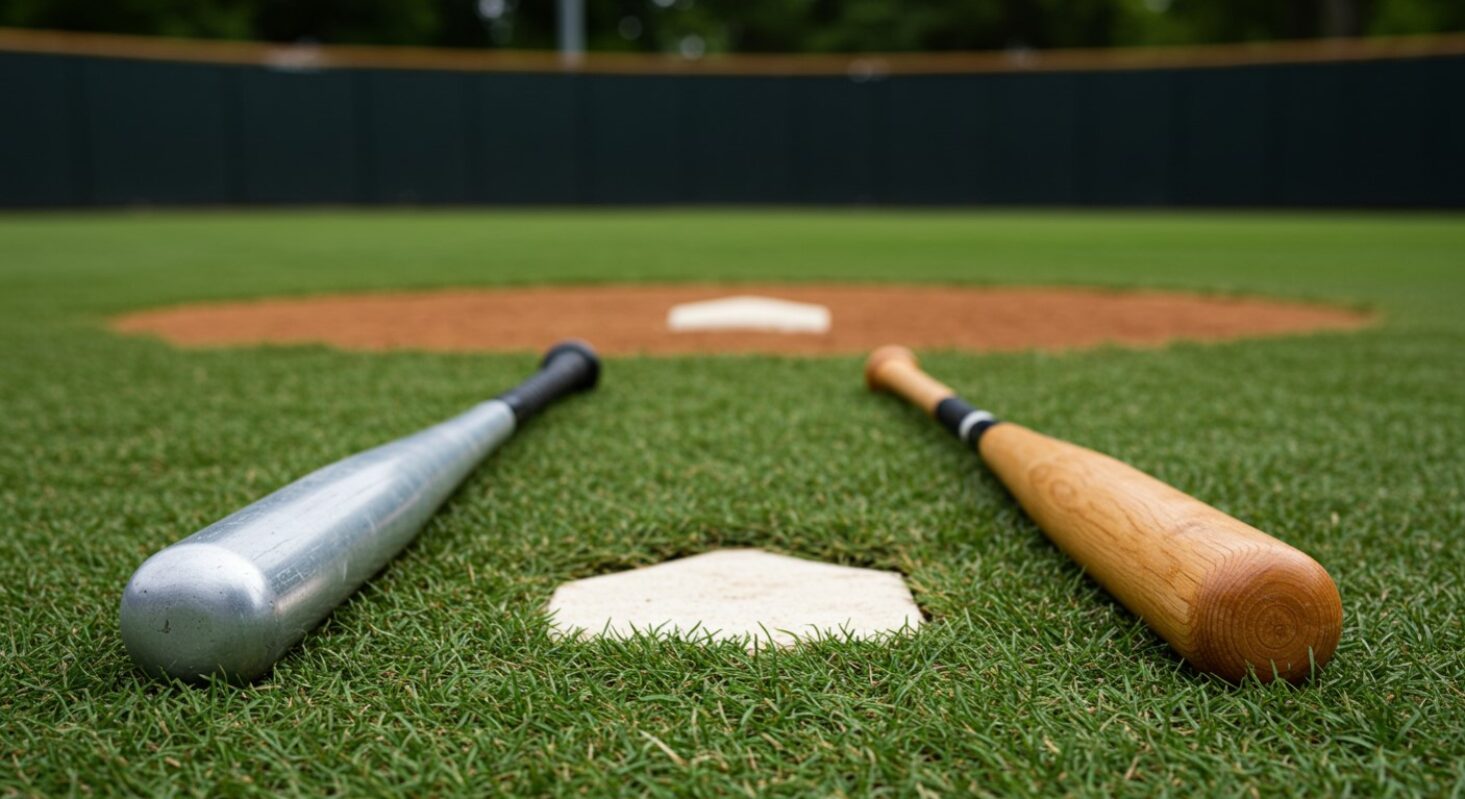
What’s the Difference Between Aluminium and Wood Bat?
Baseball and softball are sports built on small margins. The choice of bat can influence not only the comfort of a player’s swing but also how the ball reacts off the bat, the durability of the equipment, and even whether the bat is legal in a particular league. Broadly speaking, bats fall into two categories: aluminium (sometimes called alloy or metal bats) and traditional wood.
At first glance, the distinction might seem simple — metal versus timber — but in reality, the choice goes much deeper. Bat material affects performance characteristics such as swing speed, balance, and exit velocity, while also influencing cost, durability, and training value. Moreover, leagues at different levels have rules about which materials are allowed, making the debate between aluminium and wood bats a practical consideration as well as a philosophical one.
This article explores the difference between aluminium and wood bats in detail, from their construction and performance to safety concerns, league requirements, and training benefits. By the end, you will have a clear sense of the pros and cons of each bat type and which is most suitable depending on your level of play and goals.
Construction & Materials
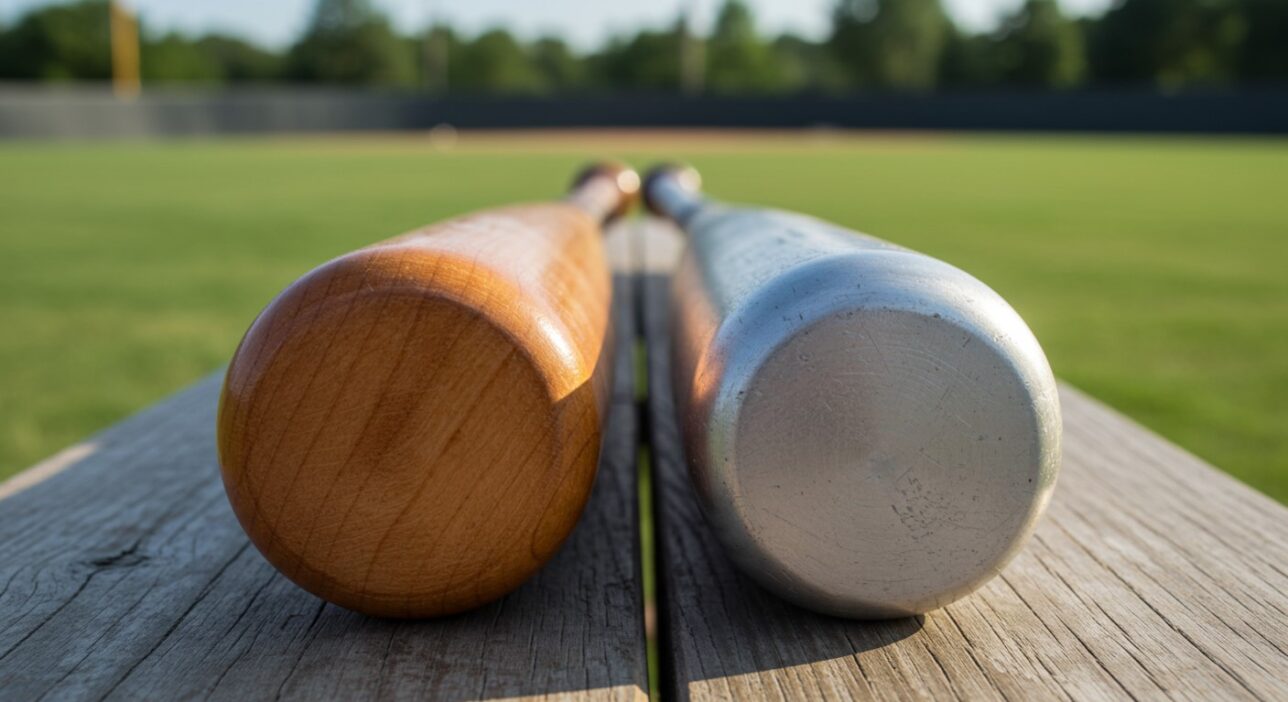
Aluminium bats are manufactured using hollow metal tubes, most often aluminium alloys blended with other metals for strength and weight balance. Some modern versions use composite or hybrid constructions, combining aluminium barrels with composite handles to reduce vibration. Because they are hollow, aluminium bats are lighter than equivalent-length wooden bats, making them easier for younger or less experienced players to swing quickly.
Wood bats, by contrast, are solid pieces of timber crafted from ash, maple, birch, or sometimes more exotic woods. Each wood type has its own reputation: ash is known for flexibility, maple for hardness, and birch for a balance between the two. Unlike metal bats, each wooden bat is unique, shaped by the grain and density of the particular piece of timber.
The material differences directly affect durability and performance. Aluminium bats can withstand thousands of impacts before losing performance, whereas wooden bats are prone to cracking, chipping, or snapping after repeated use. However, the solidity of wood creates a “true” feel for the ball that many traditionalists argue is irreplaceable.
Performance Differences
The most heated part of the aluminium vs wood bat debate lies in performance. Several specific factors come into play:
-
Swing Speed: Aluminium bats are lighter, which allows players to generate quicker bat speed. Faster swings translate into better reaction times and, potentially, more powerful contact. Wood bats are heavier, making them harder to swing quickly, but the added weight can generate more momentum if the ball is struck well.
-
Sweet Spot: Aluminium bats have a larger sweet spot because of their hollow construction and “trampoline effect,” which causes the barrel to flex slightly and return energy into the ball. Wood bats have smaller sweet spots, requiring more precision from the hitter. Missing the sweet spot with wood usually results in weaker contact or uncomfortable vibrations in the hands.
-
Exit Velocity: Balls typically come off aluminium bats at higher speeds due to the trampoline effect. This can make them more dangerous for pitchers and infielders but gives hitters an advantage. Wood bats offer lower exit velocity but provide more honest feedback on the quality of contact.
-
Balance & Control: Aluminium bats often feel more evenly balanced, with options for end-loaded or balanced weighting. Wooden bats tend to have weight concentrated towards the barrel, giving a different swing dynamic. Players who learn with wood often develop stronger wrists and forearms.
-
Feedback: Wooden bats offer immediate, tangible feedback. A mishit sends vibrations through the handle, making it clear when contact is off-centre. Aluminium bats dampen these sensations, sometimes masking flaws in technique.
Taken together, aluminium bats are more forgiving and performance-enhancing, while wood bats demand precision and discipline. This distinction explains why professional baseball mandates wood: it is a truer test of skill.
Durability & Cost
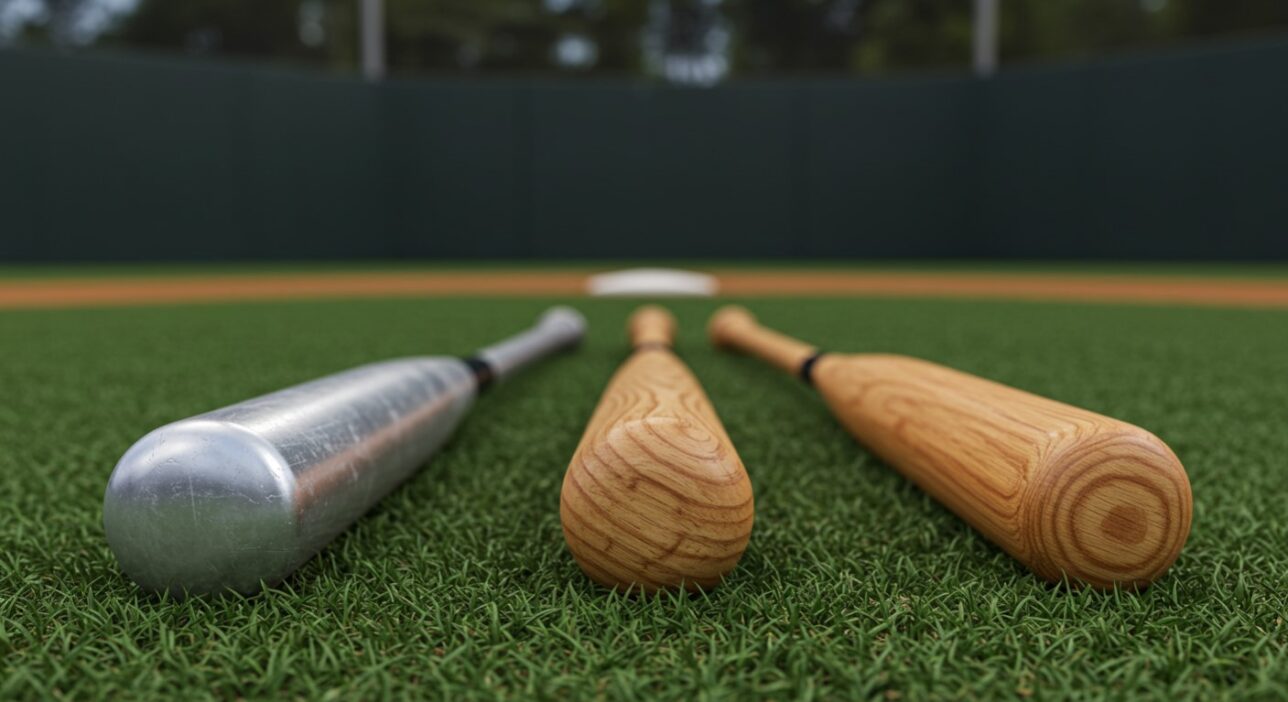
Durability is where aluminium bats hold a clear advantage. A single aluminium bat can last for years, even under heavy use, although performance may degrade over time as the barrel loses its “pop.” They resist cracking, splintering, and other damage common in wood.
Wood bats, being solid timber, are naturally more fragile. Even experienced players occasionally break bats on inside pitches or during mistimed swings. For younger players, this can be discouraging and financially demanding. However, wood bats are generally cheaper per unit, so replacements do not always cost as much as a new aluminium bat.
The financial comparison comes down to usage: an aluminium bat may cost more initially, sometimes several hundred pounds, but can serve for many seasons. Wooden bats are cheaper individually but may need frequent replacement if used regularly.
Safety Considerations
One of the biggest criticisms of aluminium bats is safety. Because they produce higher exit velocities, balls hit off aluminium bats can reach pitchers and infielders faster than with wood. This has led to documented cases of injuries at youth and amateur levels.
As a result, some leagues have introduced restrictions or bans on aluminium bats, particularly for younger age groups. In addition to safety, competitive balance is a concern. Allowing aluminium bats in a league where some players use wood creates an uneven playing field, as aluminium bats inherently provide more power.
Wood bats, while less durable, are generally safer in terms of ball exit speed. They also force players to develop better mechanics rather than relying on the bat to create power.
Rules & League Requirements
Rules about bat material differ across levels of play:
-
Major League Baseball (MLB): Only wood bats are allowed, preserving tradition and ensuring the game remains a contest of skill.
-
Minor Leagues & Professional Leagues Worldwide: Almost universally wood only.
-
College Baseball: The NCAA allows aluminium bats but enforces standards such as BBCOR certification to regulate exit velocity and safety.
-
High School & Youth Leagues: Most permit aluminium or composite bats, though local rules may vary.
-
Softball: Aluminium and composite bats are the norm, with strict certification standards.
These distinctions reflect the balance between accessibility and tradition. Youth and amateur leagues prioritise affordability and durability, while professional baseball holds firm to wood as a defining part of the game.
Player Development & Training
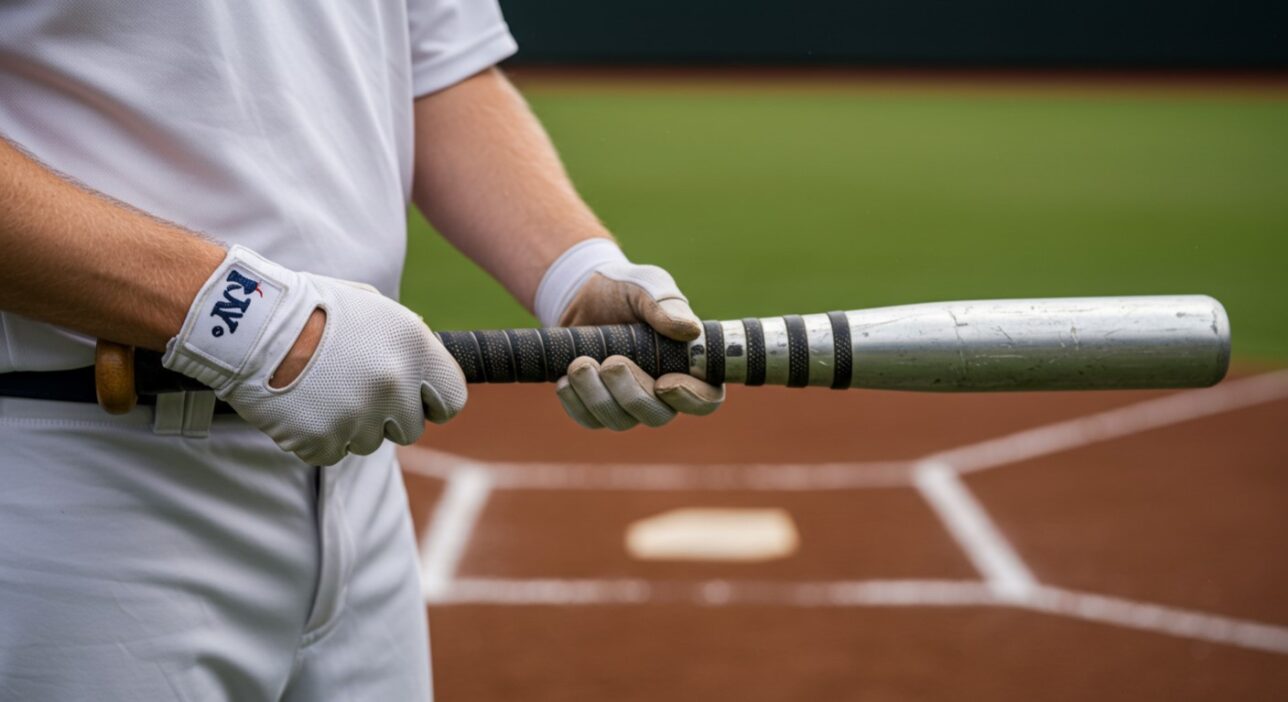
From a coaching perspective, bat choice is not just about performance but development. Wooden bats are often recommended in training environments, even for players who compete with aluminium in matches. This is because wood punishes poor technique, forcing batters to refine their mechanics and aim for clean contact.
Aluminium bats, on the other hand, are valuable for beginners who need early success to build confidence. They make it easier to get the ball into play and encourage participation. Many coaches encourage players to train with wood and compete with aluminium until reaching levels where wood is required.
Pros & Cons Breakdown
Aluminium Bats
Pros
-
Lighter, easier to swing.
-
Larger sweet spot, more forgiving.
-
Higher exit velocity, better performance.
-
Durable, long-lasting.
Cons
-
Expensive upfront.
-
Less feedback for hitters.
-
Safety concerns due to ball speed.
-
Often banned at higher levels.
Wood Bats
Pros
-
Authentic feel and feedback.
-
Required in professional leagues.
-
Encourages better mechanics.
-
Less expensive per unit.
Cons
-
Prone to breaking.
-
Smaller sweet spot.
-
Heavier, harder for beginners.
-
May require frequent replacements.
Aluminium vs Wood Bats: Quick Comparison
| Feature | Aluminium Bats | Wood Bats |
|---|---|---|
| Material | Hollow alloy or composite blends | Solid ash, maple, birch (natural timber) |
| Weight & Swing | Lighter, faster swing speeds | Heavier, builds strength and precision |
| Sweet Spot | Larger, more forgiving | Smaller, requires accurate contact |
| Exit Velocity | Higher due to trampoline effect | Lower but truer to swing quality |
| Durability | Long-lasting, resists breakage | Fragile, prone to cracking or breaking |
| Cost | Expensive upfront, long-term investment | Cheaper per bat, but frequent replacements |
| Feedback | Dampens mishits, less technical feedback | Strong feedback, teaches mechanics |
| Safety | Higher ball speeds, raises injury concerns | Safer exit speeds, more controlled play |
| League Rules | Allowed in youth/college with certifications | Mandatory in professional leagues (MLB) |
| Best For | Beginners, youth players, casual competition | Training, skill development, pro pathways |
Choosing the Right Bat
Selecting between aluminium and wood depends on your level, goals, and budget. For young players or beginners, aluminium bats make sense because they are easier to handle, more durable, and give quick results. For serious players aiming at professional pathways, wood is essential for skill development and compliance with league requirements.
Budget also matters. If you can afford a one-time investment, an aluminium bat may be the most economical long-term. However, if you are training technique or preparing for leagues where wood is mandatory, it makes sense to practise with wood. Many players ultimately own both types, using aluminium for casual play and wood for practice or competitive matches.
Conclusion: Difference Between Aluminium and Wood Bat

The aluminium vs wood bat debate is not about which is “better” universally but about which is better for your circumstances. Aluminium bats offer durability, forgiveness, and accessibility, making them perfect for beginners and amateur leagues. Wood bats provide tradition, authenticity, and a higher technical ceiling, which is why they remain the only option at professional levels.
Ultimately, your choice should reflect your stage of development, your playing goals, and the rules of your league. Both types of bat have shaped the sport, and both continue to play vital roles in baseball’s evolution.