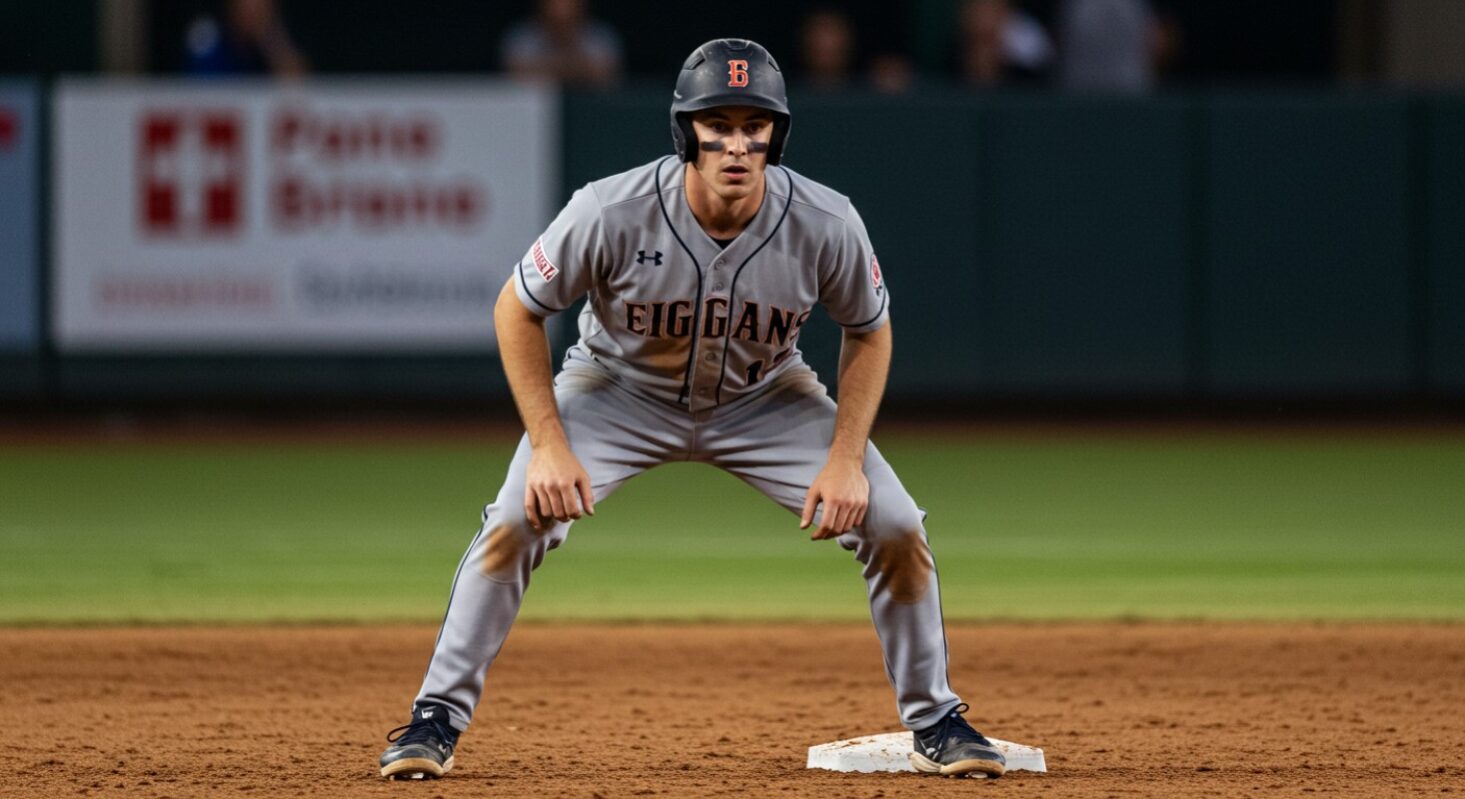
How to Execute a Hit-and-Run Play
Baseball history is full of moments where the hit-and-run play flipped the momentum of a game. Picture a tight late-inning contest: the runner on first breaks as the pitch is delivered, the batter slaps a sharp grounder through the vacated hole at second, and suddenly a harmless single turns into first-and-third with no outs. It’s a momentum shift that forces defences into scramble mode.
But how do teams pull off this high-risk, high-reward play? The answer lies in timing, communication, and flawless execution by both the runner and the batter. The hit-and-run isn’t just about stealing a base or getting a hit; it’s about combining speed with bat control to put the defence on the back foot.
In this article, we’ll explain how to execute a hit-and-run play: what it is, when to use it, the specific responsibilities of the runner and batter, drills for practice, how to counter defensive strategies, and common mistakes to avoid. By the end, you’ll understand why this tactic remains one of the most dramatic and tactical elements in baseball.
What Is a Hit-and-Run? Definition & Purpose

A hit-and-run is an offensive play where the baserunner takes off with the pitch, not merely to steal, but expecting the batter to swing. The hitter’s job is to make contact with the ball — ideally a grounder — to protect the runner from being thrown out and to exploit the defensive gaps created by moving infielders.
The tactical logic is simple:
-
Infielders often vacate positions to cover the advancing base, opening holes.
-
The runner gets a head start, turning singles into extra bases.
-
The play forces the defence to adjust quickly, increasing the chance of mistakes.
The hit-and-run has deep roots in baseball’s “inside game,” emphasising tactics, speed, and contact over pure power. While less common in today’s power-driven era, it remains a valuable weapon for teams looking to manufacture runs.
When & Why to Use It
A well-timed hit-and-run can transform an inning, but calling it blindly is a recipe for disaster. Managers weigh several factors:
-
Best counts: Favourable counts like 1–0, 1–1, or 2–1 are ideal. The pitcher is more likely to throw a strike, giving the batter a hittable ball.
-
Game conditions: It works best with a fast runner at first and a reliable contact hitter at the plate. The number of outs also matters — it’s less effective with two outs since the runner can simply take off on contact.
-
Defensive vulnerabilities: If the middle infielders are shaded deep or the defence is prone to shifts, the gaps created become prime targets.
-
Risk vs reward: The biggest risk comes if the batter misses. The runner is left exposed and often thrown out easily. Pop-ups or lineouts can also lead to double plays.
When executed at the right time, though, the reward is huge — advancing runners, breaking defensive rhythm, and sparking rallies.
Responsibilities & Mechanics — The Runner & The Batter
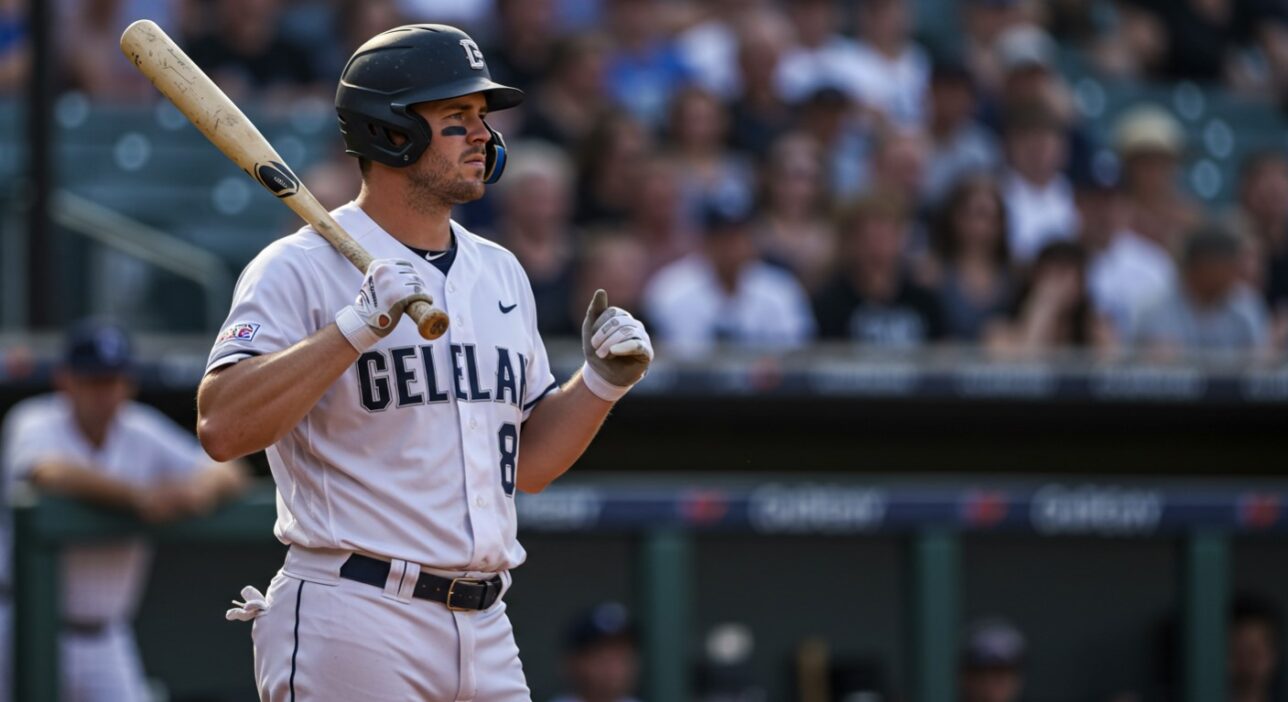
The hit-and-run demands perfect teamwork. Both the runner and the batter must know their roles.
Runner’s role
-
Lead: Take a safe but aggressive lead. Too big risks a pickoff; too small reduces the head start.
-
Break timing: The runner goes as the pitcher delivers, committing fully to the steal. There’s no hesitation.
-
Awareness: If the ball is hit in the air, the runner must adjust — retreating quickly on a popup or advancing hard if it drops.
-
Confidence: A hesitant runner ruins the play. Commitment is everything.
Batter’s role
-
Make contact — at all costs: The number one responsibility is to swing and put the ball in play, even if the pitch is less than ideal. Only a wildly unhittable pitch justifies taking.
-
Aim for a ground ball: The goal is usually to hit behind the runner, often to the opposite field, and avoid middle infielders.
-
Mechanics adjustments: Stay inside the ball, keep the barrel level, and shorten the swing. If necessary, “chop down” to guarantee contact.
-
Selflessness: This is not a swing-for-the-fences situation. The batter must sacrifice power for control.
When both sides execute, the play looks seamless — but both are operating under enormous pressure to perform their roles perfectly.
Drills & Practice Progressions
Execution improves with practice, and teams often drill the hit-and-run to build instincts.
-
Simulated hit-and-run: Place a runner on first, instruct the batter to put the ball in play, and position defenders to cover the steal. This forces hitters to aim for the gaps.
-
Tee and toss drills: Practise hitting grounders to the opposite field using controlled feeds. Focus on bat angle and soft hands.
-
Live pitching drills: Have coaches call for a hit-and-run during BP under different counts. These conditions require players to stay alert.
-
Progressive training: Start at slower machine speeds, then ramp up velocity and pitch placement to replicate game intensity.
-
Sign recognition drills: Practice coach-to-player communication so runners and hitters clearly recognise the play before stepping in.
Consistent reps allow hitters to develop the muscle memory and decision-making instincts needed when the sign comes in live.
Defensive Counters & How to Read Them
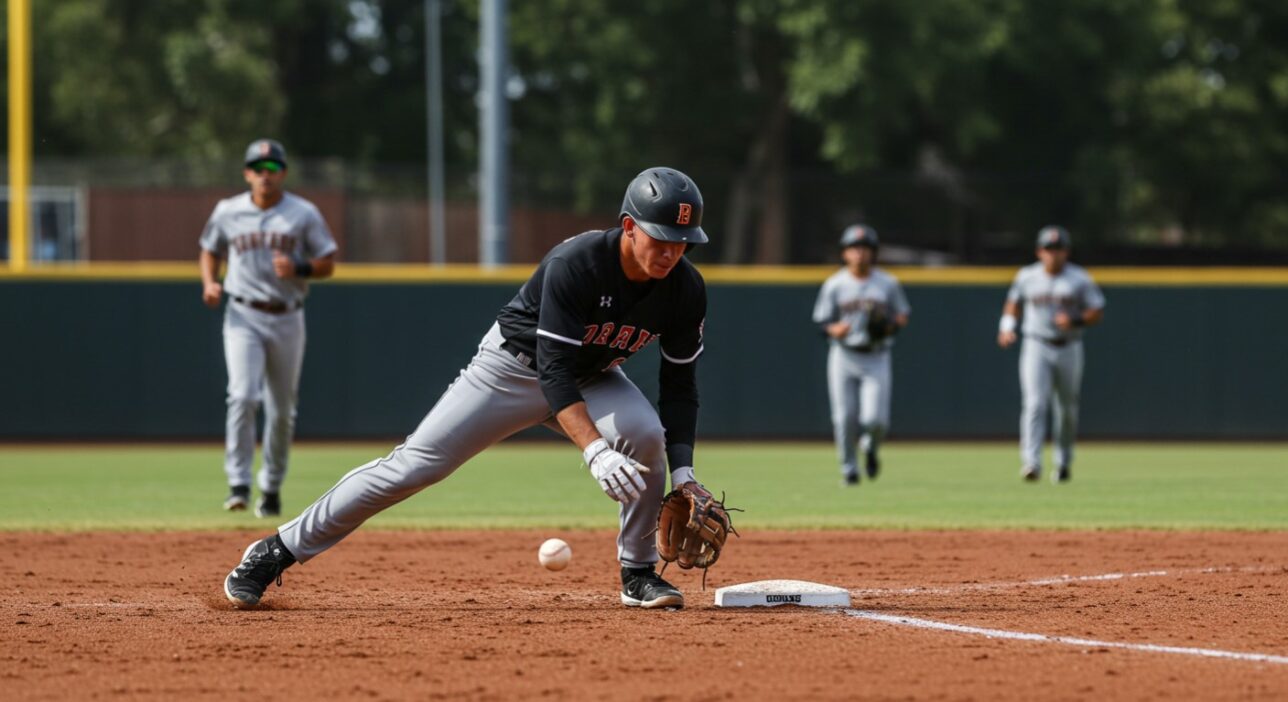
Defences know the hit-and-run is a weapon and have their own strategies to stop it.
-
Pitchouts: Catchers may call for a wide pitch, unhittable by design, to give themselves a clean throw at second.
-
Delayed middle infielders: Instead of breaking immediately, the shortstop or second baseman may hold ground to reduce the size of the gap.
-
Shift adjustments: Teams may position defenders differently if they anticipate small-ball tactics.
For the offence, recognising these cues is critical. Coaches may cancel or delay the play if a pitchout seems likely, or if the defence shows signs of anticipating it. Flexibility is as important as commitment.
Risk Management & Common Mistakes
The hit-and-run can be electrifying, but mistakes turn it into a disaster.
-
Missed contact: The most common failure. If the batter whiffs, the runner is almost always caught stealing.
-
Popups and fly balls: These expose the runner to double plays.
-
Poor leads: Too small and the runner can’t advance; too large and the pitcher picks him off.
-
Inappropriate situations: Calling the play with a strikeout-prone hitter, a slow runner, or in a poor count sets it up for failure.
-
Overuse: Running it too often makes it predictable, and smart defences will counter.
The key is discipline: choose the right personnel, call it in the right moment, and execute with precision.
FAQs
What counts as best for a hit and run?
Counts where the pitcher is likely to throw a strike, like 1–0, 1–1, or 2–1.
Can you cancel a hit and run after giving the sign?
Generally, no — once the runner is committed, the play is on. Coaches may pull back if they suspect a pitchout before the pitch, but communication must be clear.
What happens if the batter bunts instead of swinging?
It becomes a variation sometimes called a run-and-bunt, but unless it’s signalled, bunting can confuse the runner and increase risk.
Is a hit and run ever used with two outs?
Rarely. With two outs, a straight steal is usually the better call, since the runner will move on contact anyway.
Conclusion: How to Execute a Hit-And-Run Play
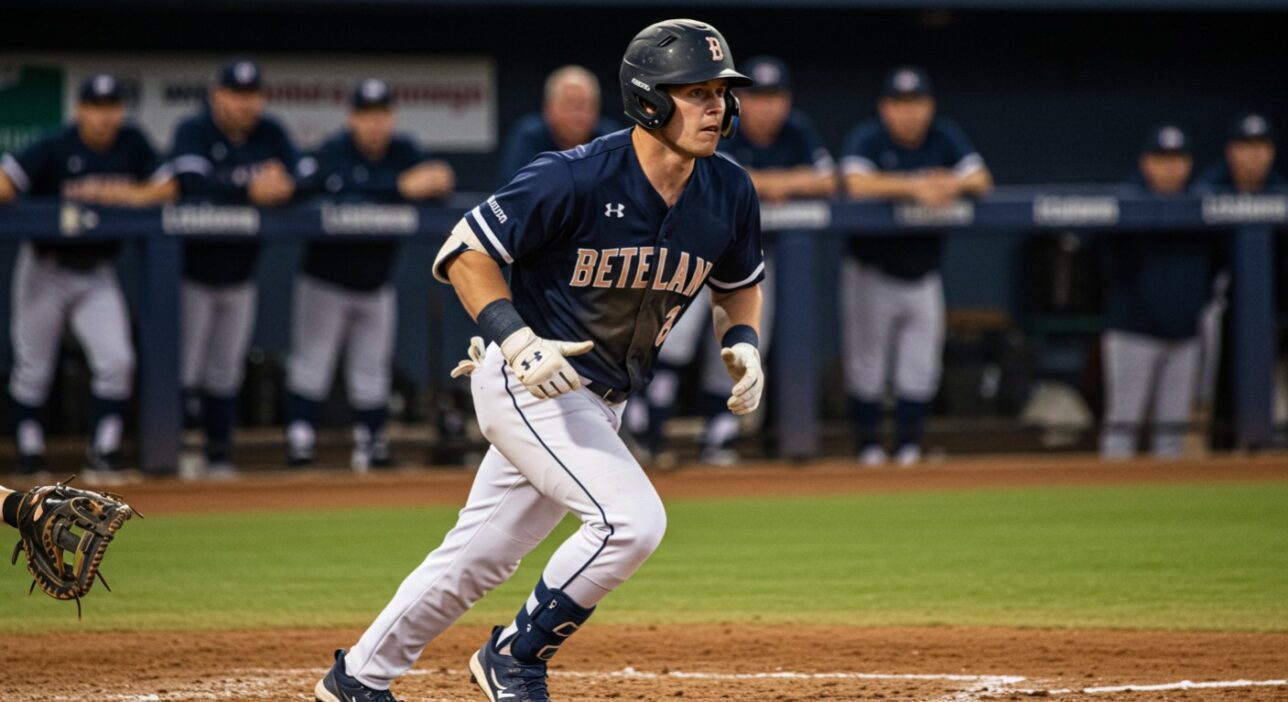
The hit-and-run blends speed and contact into one of baseball’s most thrilling offensive tactics. When timed correctly, it creates chaos for the defence, opens gaps in the infield, and turns routine singles into momentum-shifting plays.
Success requires teamwork, communication, and plenty of rehearsal. The runner must commit fully, the hitter must protect him at all costs, and both must trust the system. Missteps are costly, but when executed perfectly, few plays demonstrate the beauty of strategy and execution quite like the hit-and-run.
For teams at any level, the takeaway is simple: practise it in controlled settings, choose the right moments, and understand the risks. Done well, the hit-and-run remains one of the most effective and exciting plays in baseball.