
How to Hit a Sacrifice Fly Effectively
In October baseball, the smallest details often decide the outcome. In Game 7 of the 2014 World Series, Giants batter Michael Morse stepped into the box with runners on and the tension unbearable. With two strikes, he lifted a fly ball deep enough into the outfield to bring home the go-ahead run. It wasn’t a home run, it wasn’t even a hit — but it was exactly what the situation demanded.
That was a textbook on how to hit a sacrifice fly, or sac fly. It didn’t pad batting averages, but it changed the game. The sac fly is one of baseball’s simplest but most effective situational hitting tools, allowing teams to manufacture crucial runs in tight spots.
For hitters, though, producing a sac fly isn’t just about mechanics. It requires stepping into the box with confidence, even when nerves — or the natural fear of being hit — creep in. The ability to stay composed and execute under those pressures separates dependable situational hitters from the rest.
But how do hitters reliably produce a sac fly when the team needs it? What mechanics matter? When is it the right choice? And how can players practise to ensure they’re ready for the moment?
This article will explain how to hit a sacrifice fly effectively, covering the rules, strategy, mechanics, drills, real-world examples, common mistakes, and practical tips to succeed under pressure.
Understanding the Sacrifice Fly

A sacrifice fly occurs when a batter hits a fly ball that is caught for an out, but is deep enough to allow a runner — most often from third base — to tag up and score.
For it to count as an official sac fly:
-
The ball must be caught in fair or foul territory by a defensive player.
-
A runner must score after tagging up legally.
-
The batter is credited with an RBI but is not charged with an at-bat, which protects his batting average.
This distinguishes the sac fly from a routine fly-out, where no advancement occurs. It also differs from a sacrifice bunt, which is about moving runners forward rather than driving one home. And while other situational plays like the hit-and-run rely on precise timing and contact to put pressure on the defence, the sac fly is all about lifting the ball deep enough to bring a run home.
Though simple, the sac fly carries weight. It rewards situational awareness and execution, rather than raw power or batting average padding.
Why & When to Use It
The sac fly is a classic example of baseball’s “small ball” strategy — sacrificing an out to score a critical run. Its value becomes clearest in tight, late-game situations.
Best contexts for a sac fly include:
-
Runner on third with fewer than two outs, especially in close games.
-
Late innings where a single run can make the difference.
-
Situations where the batter has good control and can lift the ball to the outfield.
The balance lies in risk versus reward. Outs are precious, and giving one away for a run only makes sense when that run carries strategic value — such as breaking a tie, closing a gap, or building insurance late.
The sac fly fits into the broader run-manufacturing philosophy, which values team execution over individual stats. While power hitters may naturally hit deep flies, contact hitters who understand trajectory and timing can be just as effective in producing them.
Mechanics & Technique for a Sac Fly
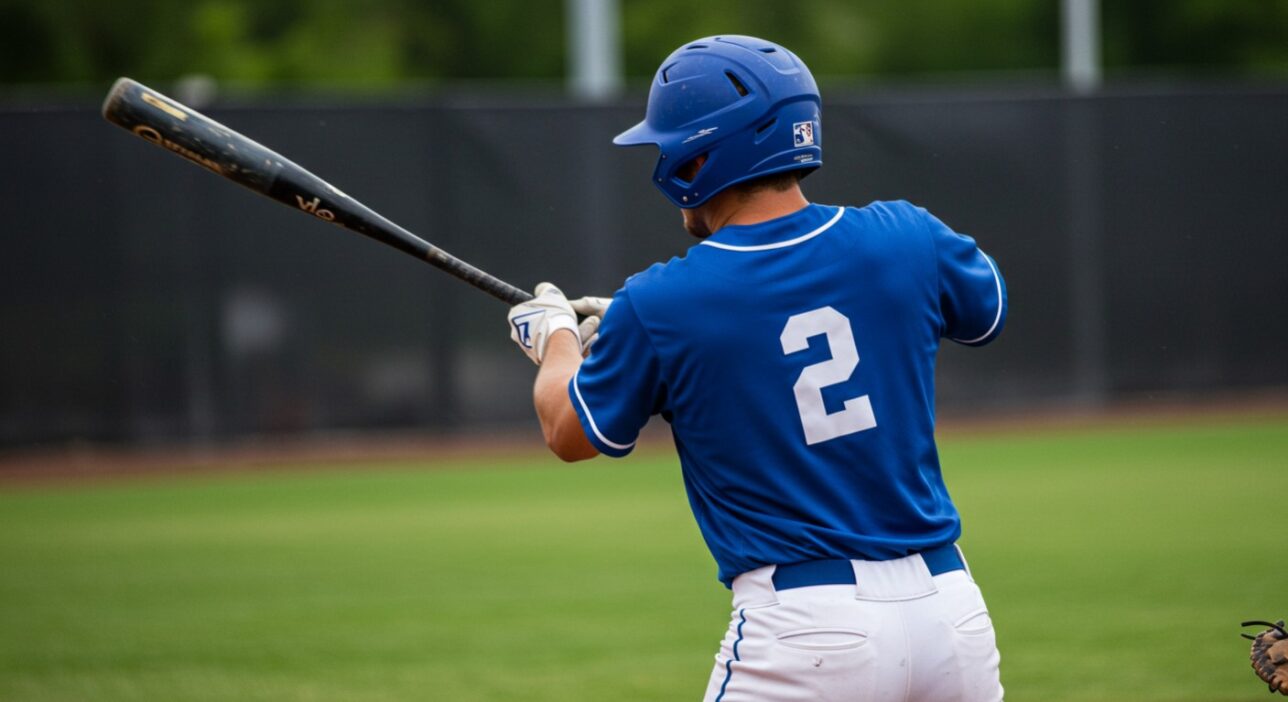
Successfully hitting a sac fly requires mechanical discipline, not brute force.
-
Launch angle: Aim for a launch angle in the 25–40° range. Too low produces liners that prevent tagging; too high creates easy, shallow pop-ups.
-
Controlled bat path: Focus on a slightly upward swing plane that lifts the ball without overswinging.
-
Timing: Meeting the ball slightly out in front helps generate lift and distance.
-
Contact zone: Ideally target pitches up in the zone or middle-outside, which are easier to drive into the air. Inside low pitches are much harder to lift effectively.
-
Field awareness: Aim for outfield gaps or toward the side opposite the runner’s arm. For example, with a runner on third, hitting to right field often makes it easier to tag and score against a weaker throw.
-
Conditions: Consider wind, outfield depth, and the arm strength of defenders. Adjust accordingly.
Mechanically, the sac fly isn’t about muscling the ball. It’s about precision: choosing the right pitch, getting under it slightly, and delivering controlled contact deep enough for the runner to score.
Runner’s Role & Tagging Up
The runner at third is just as important to the play as the hitter.
-
Tagging up technique: The runner must stay anchored to third base until the ball is caught. Leaving early results in an appeal and an automatic out.
-
Delayed break: As the outfielder catches the ball, the runner explodes off the bag, maximising momentum into the sprint home.
-
Judgment: The runner must read the trajectory and depth. On a shallow fly, the smarter play may be to hold. On a deep fly, scoring should be aggressive.
-
Avoiding double plays: Misreading a shallow fly and breaking too early risks being doubled off at third.
Communication between the base coach and the runner is vital — the coach often signals whether to tag and go or hold.
Drills & Practice Methods
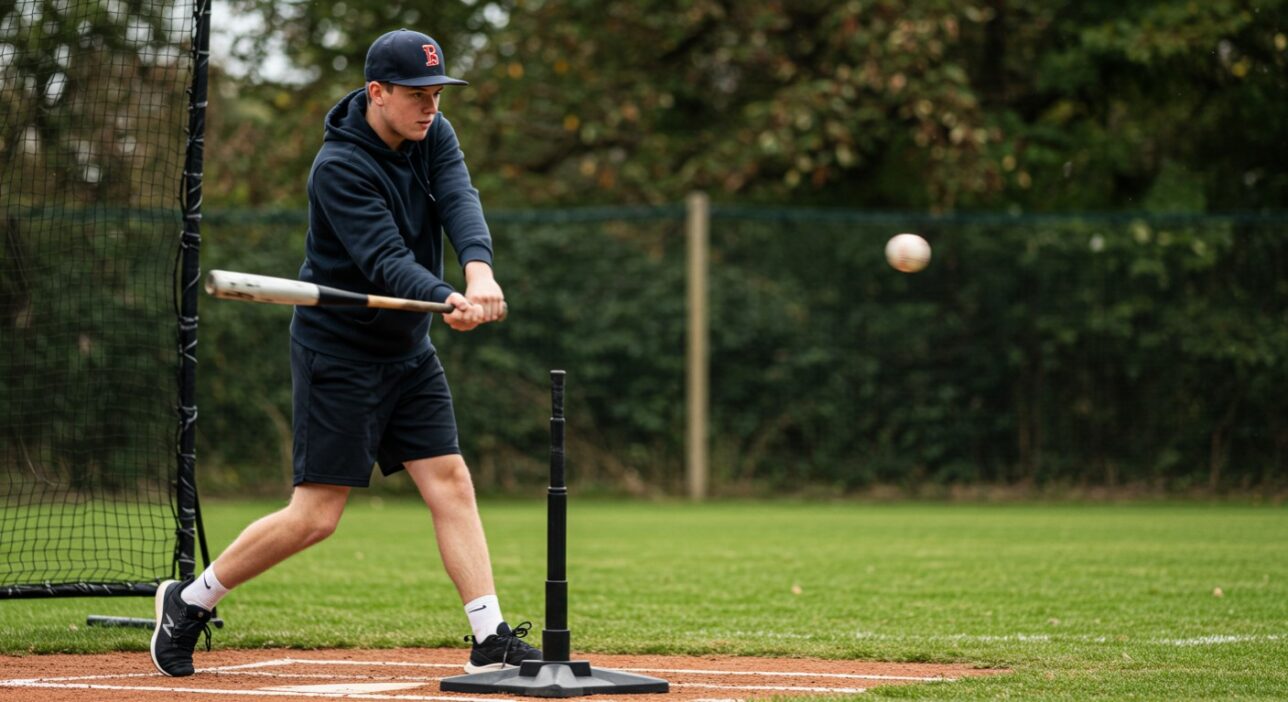
Teams can rehearse sac flies through structured drills, turning theory into muscle memory.
-
High-fly practice: During batting practice, hitters can intentionally work on lifting balls to the outfield, targeting depth rather than distance.
-
Target zone drills: Use cones or markers in the outfield to encourage placement toward gaps or deep zones.
-
Game simulations: Set up live or machine-pitched scenarios with a runner on third. Hitters are instructed to produce a fly deep enough to score a run.
-
Elevated pitch machines: Set pitching machines to higher locations in the strike zone to help hitters practise lifting pitches.
-
Runner timing drills: Have baserunners practise tagging up in sync with fly balls, reinforcing the break-off timing.
Drills should simulate both pressure and variability, since sac fly attempts often come in tense, late-game moments.
Real Examples & Case Studies
Many legendary games have turned on well-executed sacrifice flies.
-
Michael Morse (2014 World Series): His sac fly in Game 7 gave the Giants the go-ahead run in the deciding game.
-
Luis Gonzalez (1997 NLCS): Delivered a deep sac fly to centre to push Arizona into a commanding lead.
-
Yadier Molina: Known for his situational hitting, Molina has delivered multiple sac flies in postseason play, showcasing the veteran’s mastery of controlled contact.
Statistics highlight the sac fly’s effectiveness. In MLB, over 70% of sac fly attempts with average or above-average depth succeed in scoring runners. Outfield placement and runner speed remain the biggest variables, but smart execution tilts the odds heavily toward success.
Common Mistakes & Pitfalls

Not every sac fly attempt works as intended. Common errors include:
-
Over-lifting: Trying too hard to elevate often results in shallow pop-ups or weak fly-outs that don’t advance the runner.
-
Mistimed swings: Rushing the swing or pulling off the ball leads to grounders or line drives instead of flies.
-
Shallow trajectory: Balls that don’t carry far enough allow outfielders to throw out tagging runners.
-
Tag-up mistakes: Leaving early or hesitating on the base path can kill the scoring chance.
-
Ignoring positioning: Hitting into the strongest outfielder’s arm — like throwing to home from right field against an elite arm — can doom even a well-hit fly.
Success depends on a balanced approach — don’t oversell the fly, but commit to controlled execution.
FAQs
Does a sac fly count as an at-bat?
No. A sacrifice fly does not count as an at-bat, though it does count as a plate appearance. The batter is credited with an RBI.
Can a sac fly be credited if a runner tags from second?
No. By rule, a sac fly only applies when a runner scores from third base. Advancing from second or first is considered a productive out but not an official sac fly.
When should a runner break on a fly?
Only once the outfielder has caught the ball. Leaving early risks an appeal and an automatic out at third.
What is the ideal fly height for a sac fly?
Deep enough to allow the runner to score comfortably — generally to the outfield grass beyond the infield, and ideally toward the gaps or foul lines to reduce throw distance.
Conclusion: Sacrifice Fly Technique
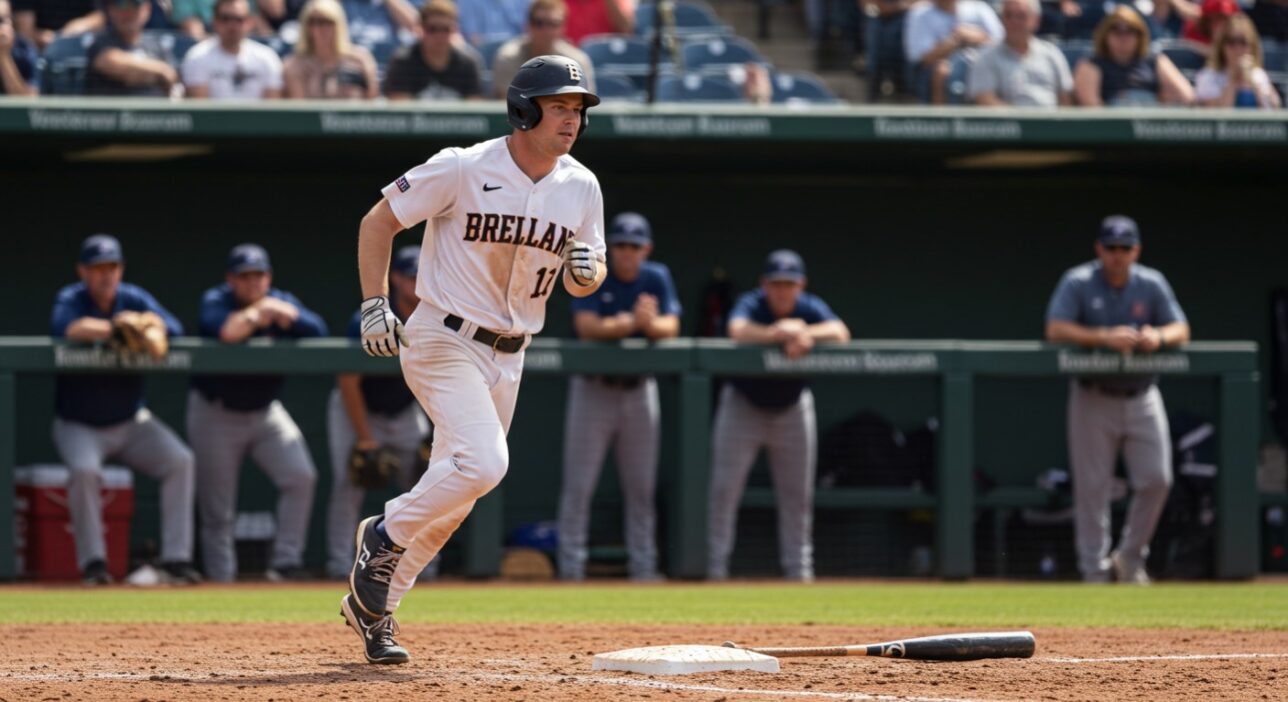
The sacrifice fly may not light up highlight reels, but it remains one of the most reliable and strategic tools in baseball. It turns a routine out into a run, blending hitter discipline with runner awareness.
To hit a sac fly effectively, players must master the mechanics: controlled lift, correct pitch selection, situational awareness, and smart execution by both hitter and runner. Practising in simulated settings — from targeted fly drills to runner tag-up work — ensures that when the moment comes, both sides of the play are ready.
In close games, a single sac fly can be the difference between heartbreak and victory. By including sac fly techniques in regular training, hitters prepare themselves not just to swing for power, but to deliver when the team needs it most.