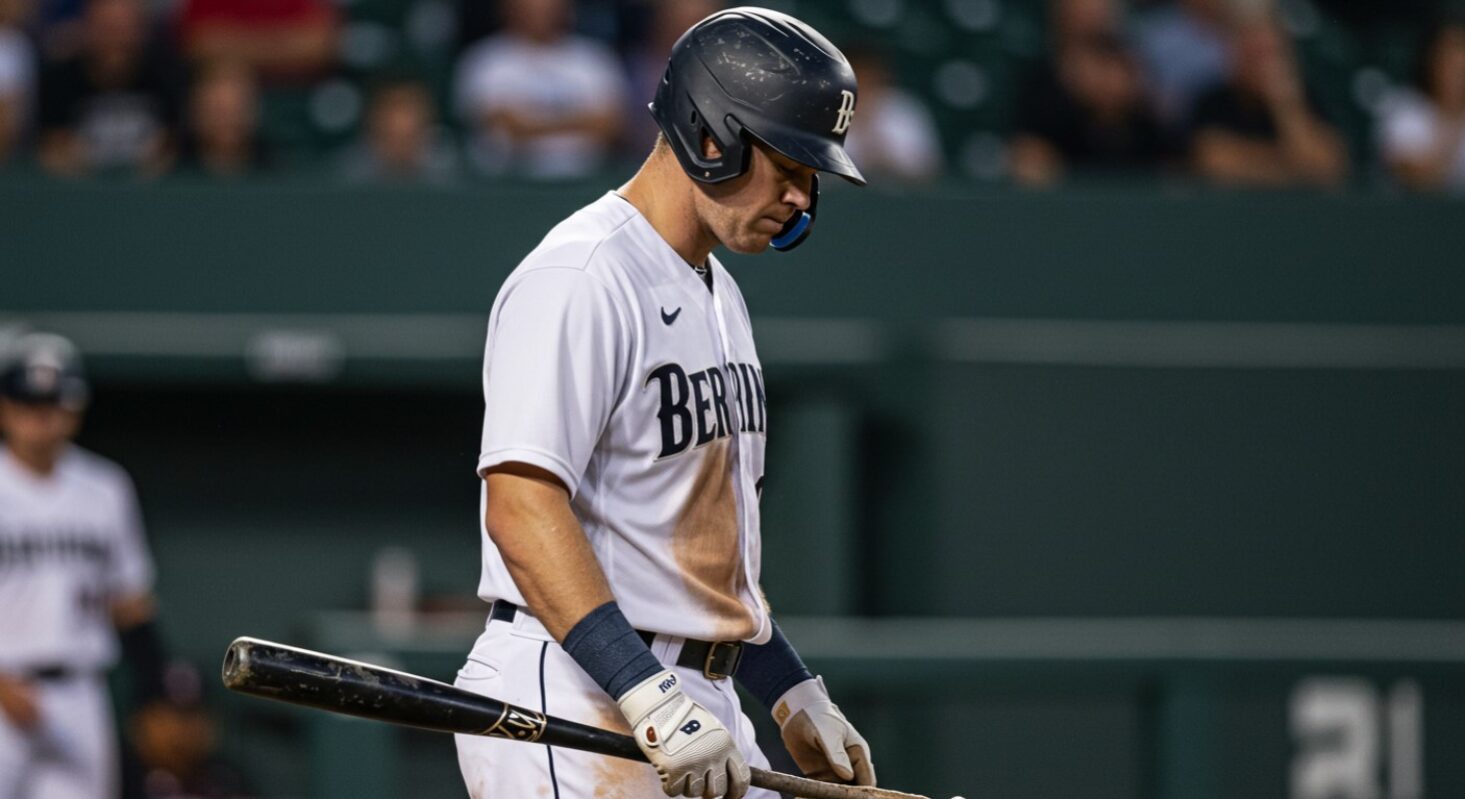
How to Stop Striking Out in Baseball
In 2019, Minnesota Twins outfielder Max Kepler was among the league leaders in strikeouts. By the following season, he cut his strikeout rate dramatically — not because he suddenly became faster or stronger, but because he changed his approach. With better discipline at the plate and subtle swing adjustments, Kepler gave himself more chances to contribute, proving that hitters can transform their results if they know how to address the problem.
Strikeouts are a part of baseball, but excessive strikeouts hurt both the individual and the team. They kill rallies, strand runners, and reduce a hitter’s overall value. For coaches, they are one of the clearest signs that a hitter needs a new plan at the plate.
So how do you stop striking out — or at least reduce your strikeout rate significantly? The answer involves a blend of self-diagnosis, plate discipline, mechanical improvement, and consistent practice. This article will break down how to stop striking out in baseball, and provide practical strategies and drills that can help you make better contact, extend at-bats, and ultimately contribute more often in game situations.
Diagnose Why You Are Striking Out

Before fixing a problem, you need to know its cause. Strikeouts often stem from a combination of mental, mechanical, and situational factors.
Common root causes include:
-
Chasing pitches outside the zone: Many strikeouts happen because hitters swing at balls that would not have been called strikes.
-
Poor pitch recognition: Difficulty picking up spin or speed changes makes it harder to judge pitches.
-
Timing issues: Being late on fastballs or too far ahead of off-speed pitches disrupts contact.
-
Mechanical flaws: Long, looping swings or improper load mechanics create inefficiency.
-
Mental pressure: Overthinking or pressing in key moments leads to bad decisions.
A practical way to start diagnosing is to track the type of strikeouts you’re having:
-
Swinging strikeouts: Usually linked to chase rates or timing problems.
-
Looking for strikeouts: Often a matter of discipline or being too passive.
Video analysis, stat-tracking apps, or even keeping a notebook after games can reveal patterns. Recognising whether you’re consistently late, chasing high fastballs, or freezing on curveballs will give you a clear target for improvement.
Strike Zone Discipline & Pitch Recognition
The most reliable way to cut strikeouts is to control the strike zone. Great hitters succeed not only because of mechanics but because they force pitchers to throw hittable pitches.
-
Patience: Don’t feel obligated to swing early in the count. Waiting for your pitch reduces the chance of chasing.
-
Early recognition: Focus on the pitcher’s release point, spin, and arm slot. A curveball has a different “dot” or rotation than a fastball; the earlier you pick this up, the better your swing decision.
-
Letting bad pitches go: Even the best hitters swing and miss. What sets them apart is refusing to chase outside the strike zone consistently.
-
Two-strike adjustments: With two strikes, widen your zone slightly — protect the plate by being ready for borderline strikes, while still resisting obvious balls.
-
Full count composure: Expect pitchers to attack. Be disciplined, but don’t let yourself freeze on a strike down the middle.
Improving pitch recognition takes time. Watching video, facing mixed pitches in batting practice, or tracking pitches in bullpens without swinging all build the mental catalogue needed to anticipate and react better in games.
Mechanical & Timing Adjustments
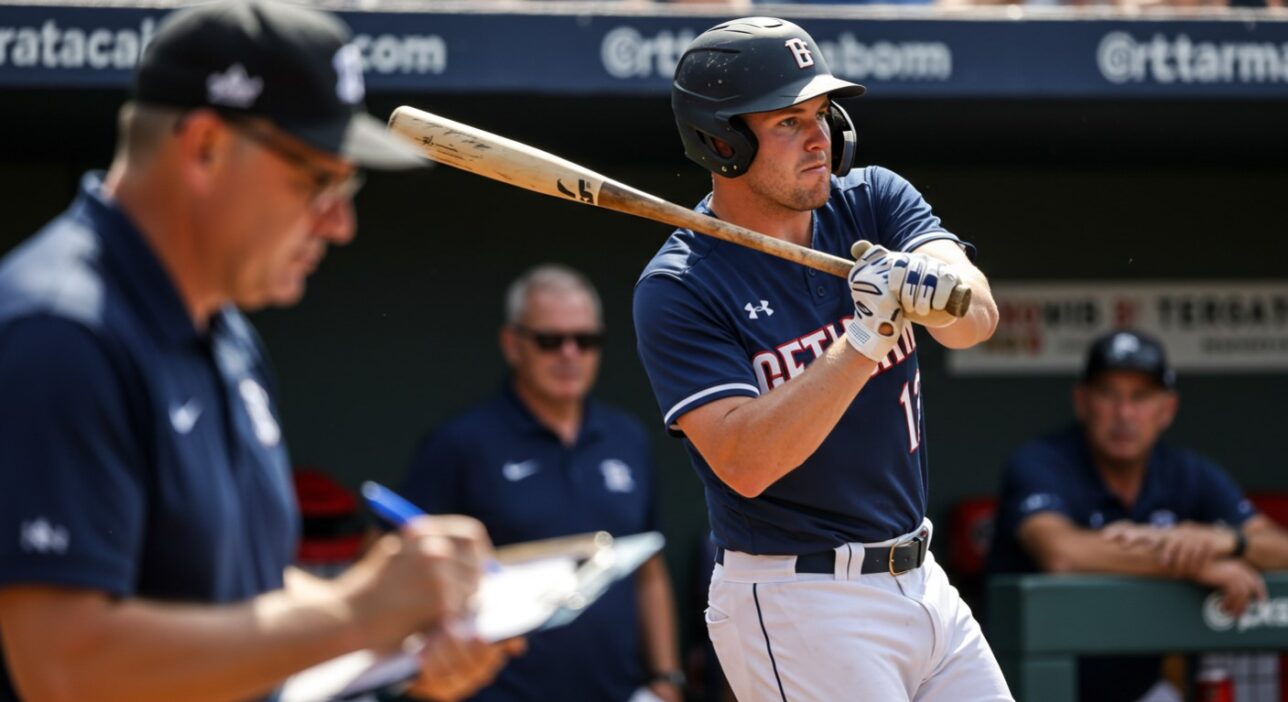
Once discipline improves, mechanics become the next focus. A clean, efficient swing reduces strikeout risk because it maximises your chance to get the bat on the ball.
Key adjustments include:
-
Quicker load: Start your load slightly earlier to avoid being late on fastballs.
-
Compact swing path: Shorten your swing by keeping your hands tight and direct to the ball. Looping swings are strikeout factories.
-
Balance: Avoid lunging forward or collapsing your back leg. A balanced stance allows better timing against off-speed.
-
Shortening up with two strikes: Many hitters choke up an inch and reduce their stride to prioritise contact when behind in the count.
-
Staying inside the ball: Keeping the barrel inside the pitch helps protect against inside fastballs and reduces weak contact.
Small changes, like adjusting grip pressure or lowering your hand load slightly, can make a big difference in making consistent contact.
Strategic Adjustments to Reduce Strikeouts
Not all strikeouts come from mechanics — often, it’s about having the wrong plan in the box. Adjusting your mindset situationally can cut K’s dramatically.
-
Situational hitting: Instead of swinging for the fences, aim to move runners over or hit behind them when the game calls for it.
-
Contact-first strategy: Prioritise putting the ball in play, even if it means less power. Ground balls and fly outs are better than strikeouts.
-
Short swing with two strikes: Coaches often call this “two-strike mode.” The goal isn’t a home run — it’s extending the at-bat and forcing the defence to work.
-
Avoid bad-count power swings: With two strikes or in pitchers’ counts, cut back on uppercut swings and long hacks.
-
Think opposite field: Simplifying your approach to drive the ball to the opposite field can reduce over-rotation and help with timing.
The best hitters adapt their plan to the situation rather than taking the same swing in every count.
Drills & Practice Methods

Reducing strikeouts isn’t just mental — it’s built through deliberate practice. Drills simulate the pressures and scenarios that lead to strikeouts, giving hitters tools to respond.
Recommended drills include:
-
Pitch recognition drills: Have a coach call pitches without swinging, forcing you to identify ball vs strike and type.
-
Two-strike contact drills: Practise with a two-strike count, focusing only on fouling off or making contact.
-
Zone-only drills: Place markers or targets in the strike zone and only swing at pitches that cross those areas.
-
Foul extension drills: Work on intentionally fouling tough pitches to extend the at-bat, building confidence in two-strike battles.
-
Simulated live pitching: Mix speeds and pitch types randomly to replicate game unpredictability.
Machines, video analysis, and even virtual reality tools now allow hitters to practise reading different pitches at full speed, further sharpening skills.
Real Examples & Case Studies
Several hitters have turned their careers around by addressing strikeouts.
-
Joey Votto: Known for his elite plate discipline, Votto drastically reduced strikeouts by refusing to chase. His walk-to-strikeout ratio has consistently been among the best in baseball.
-
Javier Báez: Early in his career, Báez struck out at alarming rates. Over time, he worked on shortening his swing with two strikes and picking pitches earlier, reducing K’s enough to become a regular offensive contributor.
-
Justin Turner: Transitioned from a bench player to an All-Star partly by improving discipline and learning to foul off borderline pitches, giving himself more chances to find a mistake pitch.
These examples show that reducing strikeouts isn’t just for contact hitters — even power hitters benefit when they extend at-bats and make pitchers throw more pitches.
Common Mistakes & Pitfalls
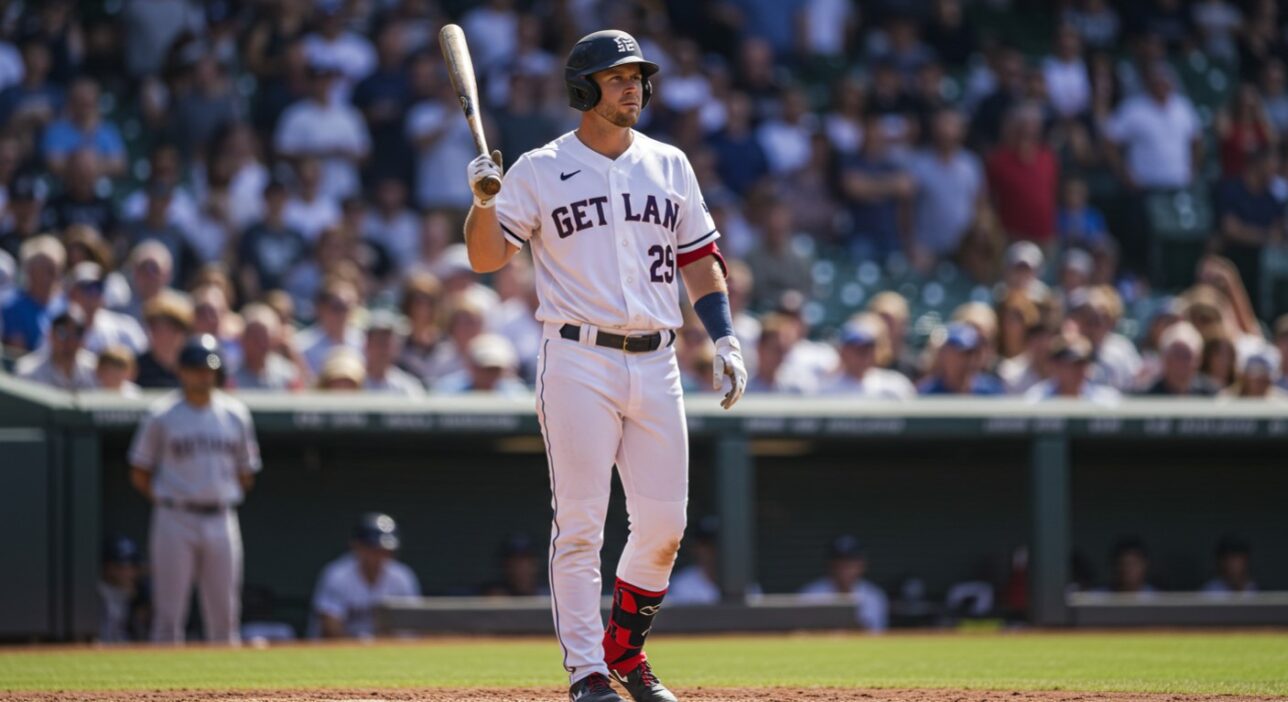
When trying to cut strikeouts, many players fall into traps that create new problems.
-
Becoming too passive: Some hitters overcorrect by never swinging, leading to called strikeouts.
-
Hesitation: Second-guessing decisions mid-swing leads to weak contact or missed pitches.
-
Overthinking mechanics in-game: Practise adjustments in training, but during games, focus on competing, not mechanics.
-
One-size-fits-all approach: What works for one hitter may not work for another. Each player must find their balance between aggression and patience.
The goal is not to eliminate strikeouts completely — that’s impossible — but to reduce unnecessary ones while still swinging with intent.
FAQs
Is some strikeout acceptable?
Yes. Even the best hitters strike out. The goal is to cut down “bad” strikeouts from chasing or freezing, not eliminate all of them.
Should I choke up to reduce strikeouts?
Choking up slightly is a proven way to shorten the swing and gain bat control, especially with two strikes. Many pros use this tactic in pressure counts.
When is fouling off too much?
Never, as long as you’re staying balanced. Fouling off tough pitches extends the at-bat and can force mistakes, but avoid defensive swings on obvious balls out of the zone.
When should I be aggressive again?
Look for hitter’s counts — 2-0, 3-1, or when a pitcher has to come into the zone. These are moments to swing with authority.
Conclusion: Reducing Strikeouts
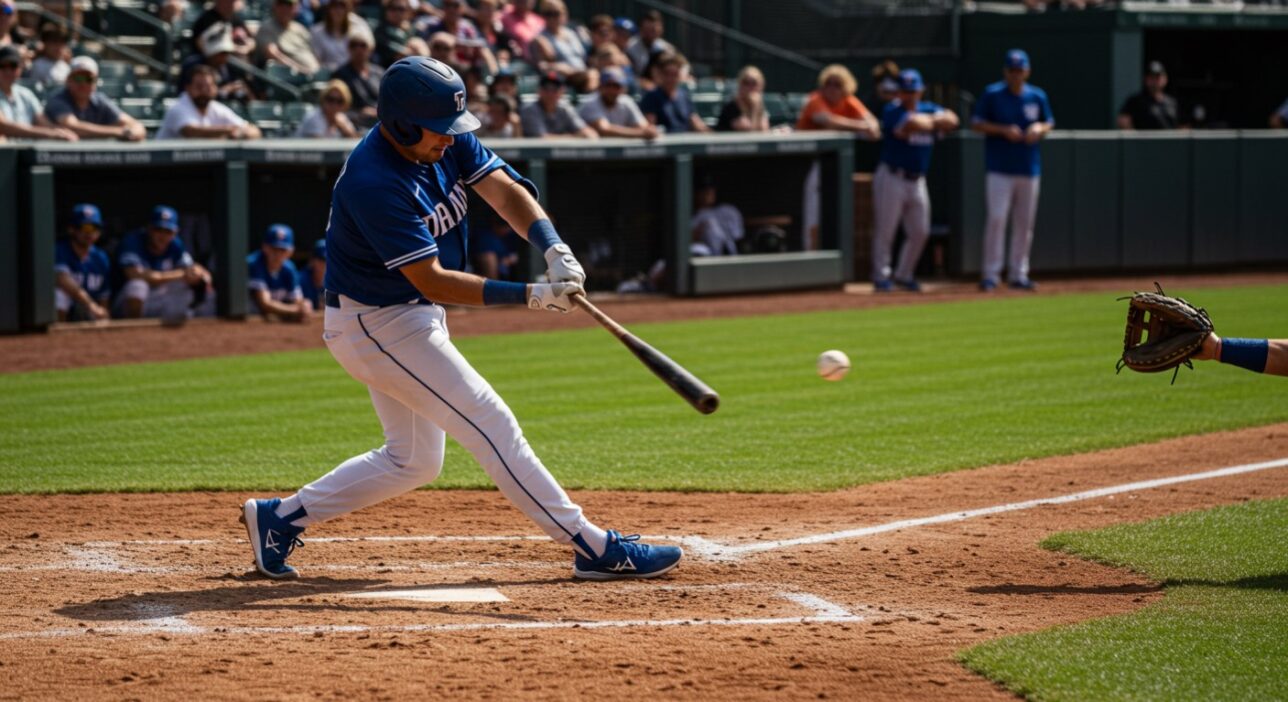
Striking out is part of baseball, but too many K’s limit a hitter’s impact. By diagnosing the root causes — whether discipline, mechanics, or mental approach — and applying focused adjustments, any player can reduce strikeouts significantly.
The best two tools are discipline and adaptability: knowing when to swing, shortening up with two strikes, and practising scenarios that build resilience at the plate.
Remember, the goal isn’t to remove strikeouts from your game but to control them. A smart hitter knows how to extend at-bats, put the ball in play, and contribute to team success even when power swings aren’t connecting.
Commit to self-assessment, focused drills, and an intentional approach, and you’ll strike out less — and help your team more.