How Do You Improve Your Basketball Handles?
Every basketball fan has seen a player suddenly explode into relevance once they tighten their ball handling. Think of the guard who was once easy to trap but now slices through defences with precision, or the forward who can suddenly create their own shot instead of waiting for a pass. Handles, in simple terms, unlock freedom. They allow players to dictate tempo, create driving lanes, break defensive schemes, secure a rebound under pressure, and keep defenders constantly guessing.
Elite ball handling is often the hidden foundation of creative offence. Shooters can be limited without it. Defenders can anticipate predictable moves when handles are weak. Teams often revolve around the player who can control the ball, absorb pressure, rebound effectively, and still make good decisions. That’s why choosing to improve your basketball handles is one of the most impactful investments you can make in your development.
This guide offers a research-informed roadmap, blending biomechanics, structured drills, feedback systems, strength support, and mental strategies. By the end, you will understand not only what to train but how to sustain improvement so that your handles stand up under the speed and chaos of real games.
The Mechanics of Good Handles: Fundamentals You Must Master
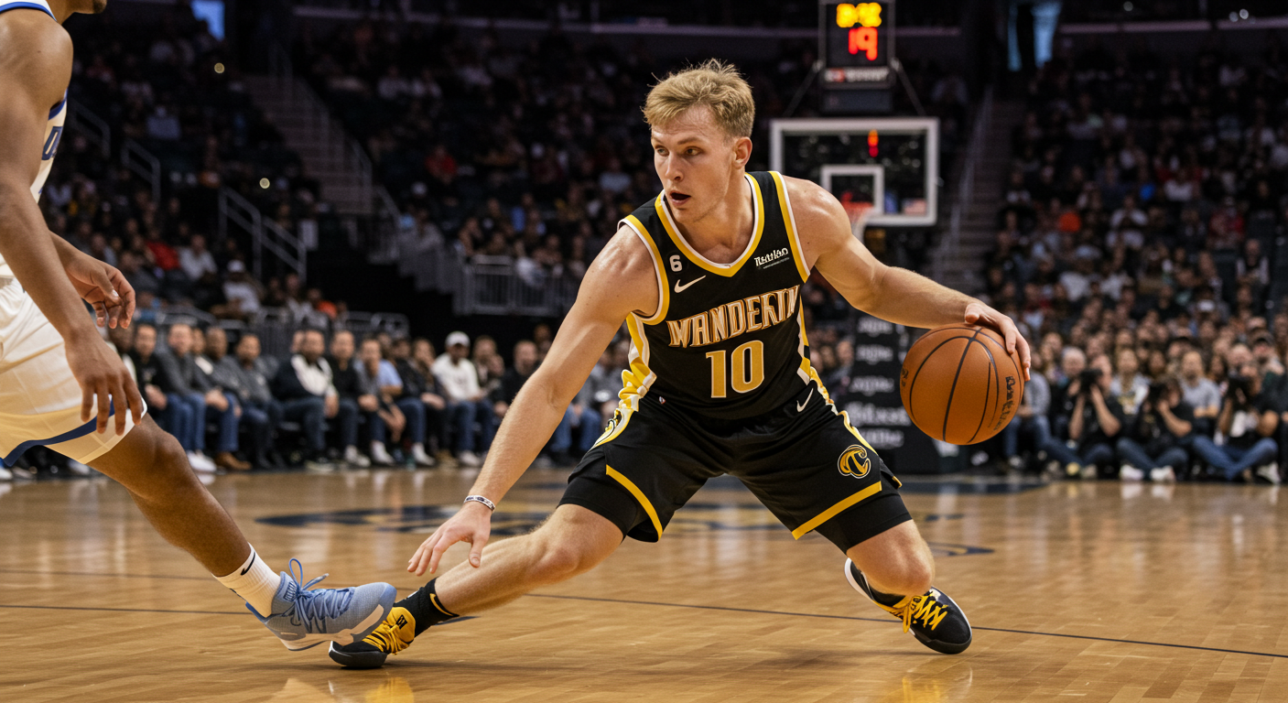
Strong handles begin with fundamentals. Grip and finger spread matter because the ball should rest on the pads of your fingers rather than the palm. Fingertip control allows you to apply precise pressure and change direction quickly. Sport science studies comparing fingertip dribbling to palm contact show that fingertip dominance produces lower misdribble rates and greater consistency in ball trajectory.
Wrist flexion is another pillar of dribble quality. Each bounce is powered by subtle wrist movements, with efficient dribblers showing quicker recovery and reduced lag between dribbles. When wrists are stiff or underdeveloped, the dribble becomes high, slow, and predictable.
Body posture anchors the mechanics. Knees bent, hips lowered, and chest angled forward all contribute to a low centre of gravity. This stance improves balance and reduces the chance of the ball being stripped away. In agility research, athletes who consistently maintained a low base showed faster reaction times when changing direction, which directly benefits dribbling under defensive pressure.
Handles also rely on acceleration, deceleration, and lateral movement. A good crossover is less about fancy hand motion and more about how quickly the body stops and restarts. Agility and handling training, therefore, work together, each enhancing the other.
Foundational Ball Handling Drills
To improve basketball handles, you must build a foundation of reliable ball control. Stationary drills are often underrated, but they form the bedrock of consistency. Figure-eight dribbling, where the ball moves between and around the legs in a continuous loop, teaches rhythm and coordination.
Two-ball stationary dribbling challenges both hands simultaneously, building ambidexterity and rhythm. Fingertip dribbling drills, tapping the ball rapidly at low heights, develop hand strength and touch.
Working with both high and low dribbles ensures control at multiple ranges. High dribbles simulate fast breaks, while low dribbles reinforce security in traffic. Weak hand drills, which isolate non-dominant dribbling, prevent predictable play and broaden offensive options.
Static obstacle drills, using cones or markers, allow players to trace consistent hand paths and practise direction changes without live defenders. Even at elite levels, athletes return to these drills to recalibrate mechanics.
Dynamic and Reaction-Based Drills for Handles
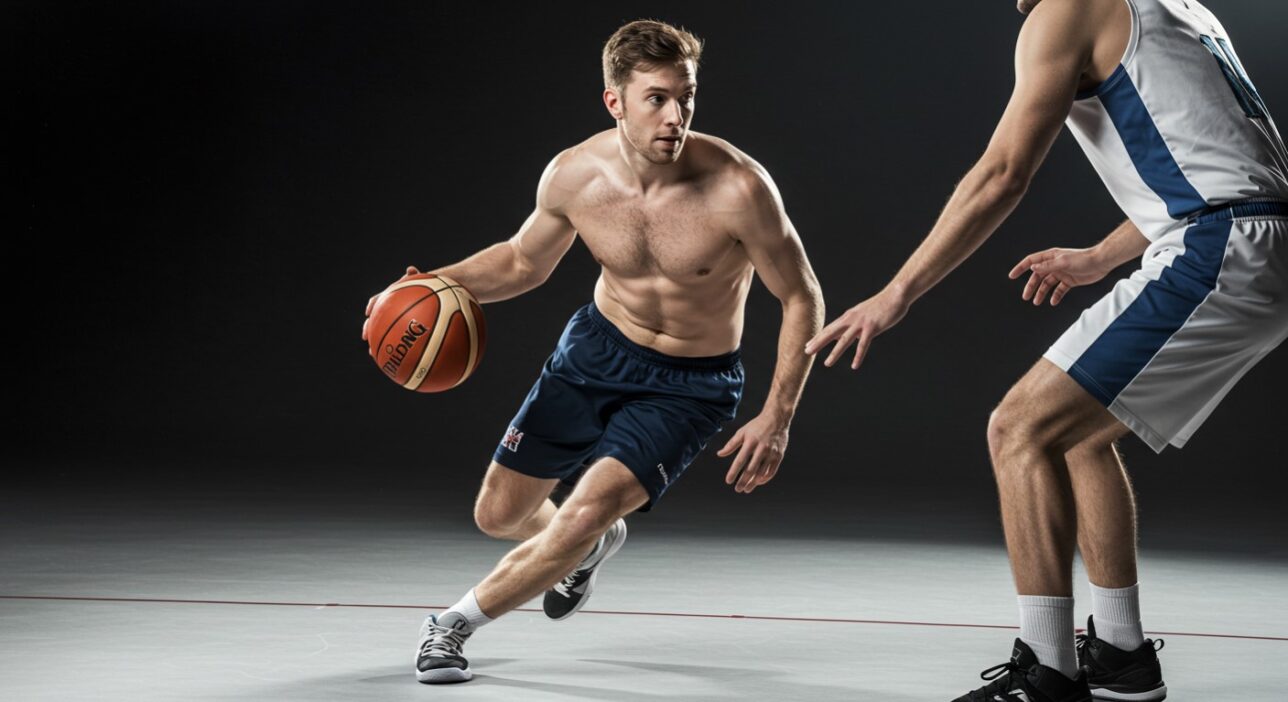
Handles become useful only when they withstand live conditions. Dynamic drills add movement and decision-making to training. Zig-zag dribbling between cones replicates game-like changes of direction. Reaction partner drills, such as echo dribbling or responding to random cues, test responsiveness.
Live move sequences, such as crossover, behind-the-back, or between-the-legs dribbles under timed pressure, help simulate defenders. Combining these moves with speed constraints trains both control and explosiveness.
Integrating agility into dribbling is critical. For example, shuttle runs while dribbling, or reaction-based cone patterns, mimic the reality of being forced to move unexpectedly in a game. Players who blend agility training with dribble drills demonstrate superior performance in tests of dribble speed and defensive escape.
Strength, Mobility and Athletic Support
Physical preparation underpins handling improvement. Grip and forearm strength exercises, such as squeezes, wrist curls, and extensor bandwork, help build endurance for long games. Strong wrists translate into quicker, more stable dribbles.
Core strength anchors balance during rapid changes of direction. Leg strength provides the base to maintain low stances without fatigue. Studies on agility and dribbling confirm that lower-body power correlates strongly with dribble speed and control.
Mobility also matters. Wrist and shoulder mobility exercises prevent stiffness and reduce injury risk. Flexible hips allow quicker shifts between dribble positions. When combined with strength work, mobility ensures smooth, fluid movement.
Agility drills, such as ladder footwork or cone shuffles, should complement handle practice. Together, they create athletes who are both strong and agile, capable of maintaining control in crowded situations.
Feedback, Tracking and Progressive Adjustments

Feedback separates effective training from wasted effort. Video review is one of the simplest but most powerful tools. Recording dribble drills allows players to identify drift, posture errors, or inconsistent rhythm.
Ball-tracking devices and sensor tools are increasingly available. These measures dribble speed, height, and control, offering data that can guide improvement. Metrics such as time per cone in zig-zag drills or misdribble rate provide clear benchmarks.
Adjustments should target weak areas. If the video shows the weak hand drifting high, the next training block should prioritise low, controlled weak-hand dribbles. Progression should move from stationary control to dynamic drills, and finally to live game situations.
Mindset, Volume and Deliberate Practice
Ball handling improvement demands the right mindset. Handles are not built in a day but through steady, consistent practice. Deliberate practice is more effective than mindless repetition. Every rep should be intentional, with attention to hand placement, posture, and pace.
Volume still matters, but it must be high-quality volume. Hundreds of poor dribbles reinforce bad habits, while fewer well-executed dribbles accelerate progress. Gradually increase the speed, pressure, and complexity of drills.
Simulating defenders or fatigue during practice prepares you for game stress. Scrimmages where defenders actively pressure the ball are invaluable. The ability to maintain form under stress defines elite ball handlers.
Advanced Moves and Game-Ready Handle Integration
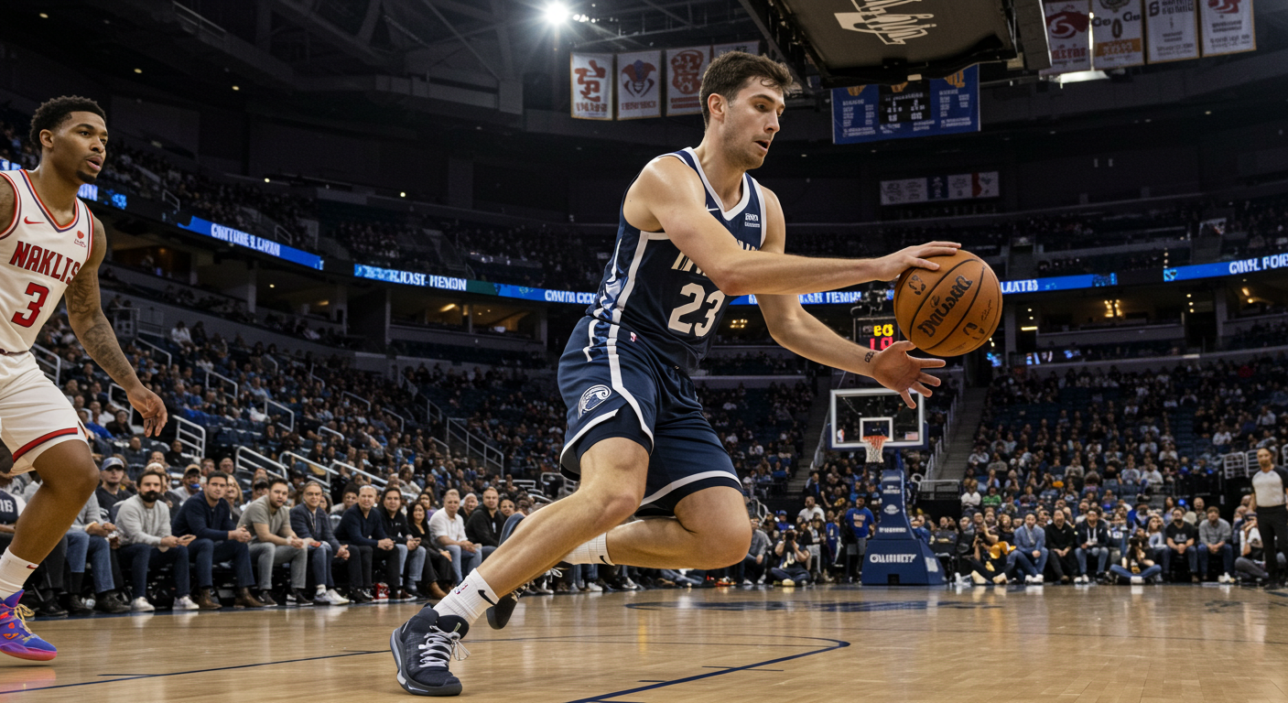
Once control is consistent, advanced integration prepares players for game contexts. Combination moves such as crossover into pull-up jumpers, or behind-the-back into drives, link handles with scoring.
Reading defenders mid-dribble becomes the next layer. Recognising when a defender leans left and immediately countering with a crossover right requires sharp perception.
Situational drills are essential. Pick-and-roll scenarios demand tight dribbling to protect the ball while scanning for options. Trap escape drills teach players to split defenders or retreat under pressure.
Elite ball handlers also maintain readiness to pass or shoot while dribbling. This dual-threat posture keeps defences uncertain and creates opportunities for teammates.
Common Mistakes That Kill Handle Progress
Several mistakes can stall progress. Overemphasising flashy moves without control leads to turnovers. Trying to train at maximum speed before establishing fundamentals causes breakdowns. Ignoring weak hand work leaves players predictable.
Poor balance is another common flaw. If posture rises during dribbles, defenders find it easier to attack. Training through fatigue without maintaining form builds sloppy habits rather than resilience.
The best players build handles step by step, never sacrificing fundamentals for showmanship.
FAQs
How many dribbles per session is ideal?
There is no magic number, but 20 to 30 minutes of focused ball handling daily can yield progress. Consistency and quality outweigh sheer volume.
Can older players drastically improve their handles?
Yes. Ball control relies more on repetition and muscle memory than on peak athleticism. Older players can see major gains with structured, patient practice.
Do handles learned in drills carry over into games?
Yes, but only if drills progress into live, reactive conditions. Stationary drills lay the foundation, but game transfer requires defender pressure and situational play.
When should I add new handle moves?
New moves should be introduced only when current skills are stable under game pressure. For example, master the crossover before adding a spin move.
Conclusion: The Best Path to Better Handles
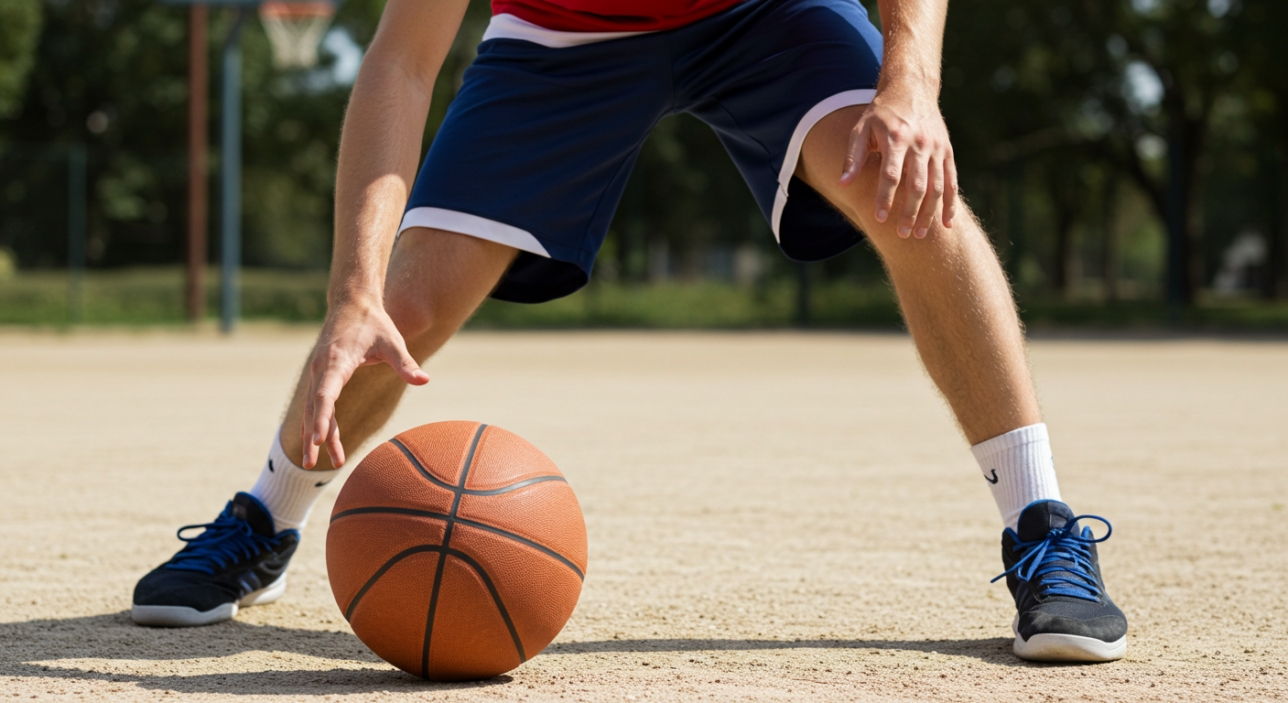
Improving basketball handles requires a layered approach. Fundamentals such as grip, posture, and fingertip control come first. Foundational drills provide structure, dynamic drills simulate game stress, and strength and mobility prepare the body. Feedback through video or data helps track progress, while mindset and deliberate practice ensure consistency.
Advanced integration links handles with scoring and playmaking, while avoiding common mistakes, and keeps progress on track. With steady effort, expect to see meaningful improvement within months, though elite, fluid handles take years to refine.
The best way to improve basketball handles is to identify your weakest area, apply progressive drills with consistent feedback, and repeat this process across training cycles. Improvement is both a science and an art, but with persistence, your handles can transform your game and unlock opportunities on the court.