What’s the Best Way to Improve Your Basketball IQ?
Basketball is filled with examples of players who may not have had the highest vertical leap or the quickest first step, yet managed to dominate games because of their intelligence. Think of a point guard who always seems to be one step ahead of the defence or a veteran forward who positions himself perfectly for rebounds and rotations. These players rely on a skill set known as basketball IQ.
Basketball IQ is not about textbook knowledge. It refers to decision making, anticipation, spacing, recognition of patterns, and the ability to solve problems quickly on the court. A player with a strong IQ makes the right choices under pressure, helps teammates succeed, and minimises mistakes.
This article lays out evidence-based strategies to raise your basketball IQ. By combining film study, targeted drills, cognitive challenges, feedback, and reflective practice, you can become a smarter player who shapes games regardless of raw athleticism.
Core Cognitive Skills That Build Basketball IQ
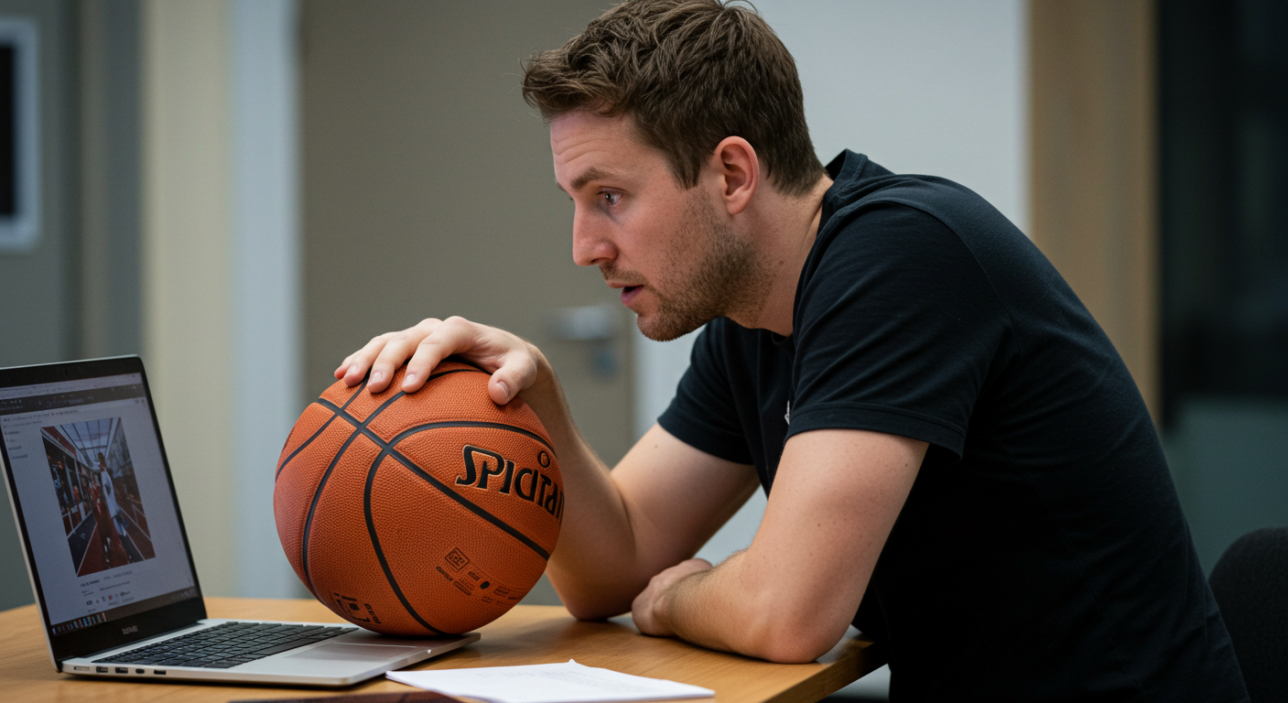
Basketball IQ develops through specific cognitive skills that can be trained and improved.
Pattern recognition and situational awareness are at the core. Research comparing expert and novice athletes shows that experts read play patterns faster and make correct decisions earlier. Recognising the familiar cues of an opponent setting a screen or spotting a defensive collapse allows you to act without hesitation.
Anticipation and predictive processing are equally vital. High-IQ players can foresee rotations, traps, or help the defence before they occur. By predicting what defenders will do, they create passing lanes or driving opportunities that others miss.
Spatial reasoning allows players to use court geometry to their advantage. Knowing angles for passing, spacing between players, and distances for closeouts allows for smarter decisions that save energy and increase efficiency.
Memory and recall underpin decision-making. Knowing set plays, remembering tendencies of opponents, and recalling which defender has been slow to rotate can all be the difference between a turnover and a scoring chance.
Film Study and Game Vision Practice
One of the best ways to sharpen basketball IQ is by studying film. The process, however, requires structure.
Do not simply watch an entire match from start to finish as a casual fan. Instead, break it into segments. Analyse five-on-five sequences, offensive possessions, defensive stops, and specific key moments.
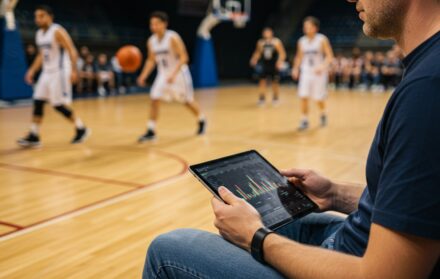
Coaches often use coding systems and notational analysis to spot trends. For example, you might track how often a particular team uses a pick-and-roll on the left side or how often a defender goes under a screen. This active tracking builds recognition skills.
Replay tools are essential. Use freeze-frames to pause during a possession and ask yourself:
“What would I do next?”
This prediction exercise mirrors cognitive training studies from other sports, such as football and volleyball, where film study has been shown to improve decision-making.
Consistent film study trains the mind to see the game differently. Over time, your on-court reactions speed up because you have seen the patterns repeatedly in video review.
Small-Sided Drills to Train Decision Making
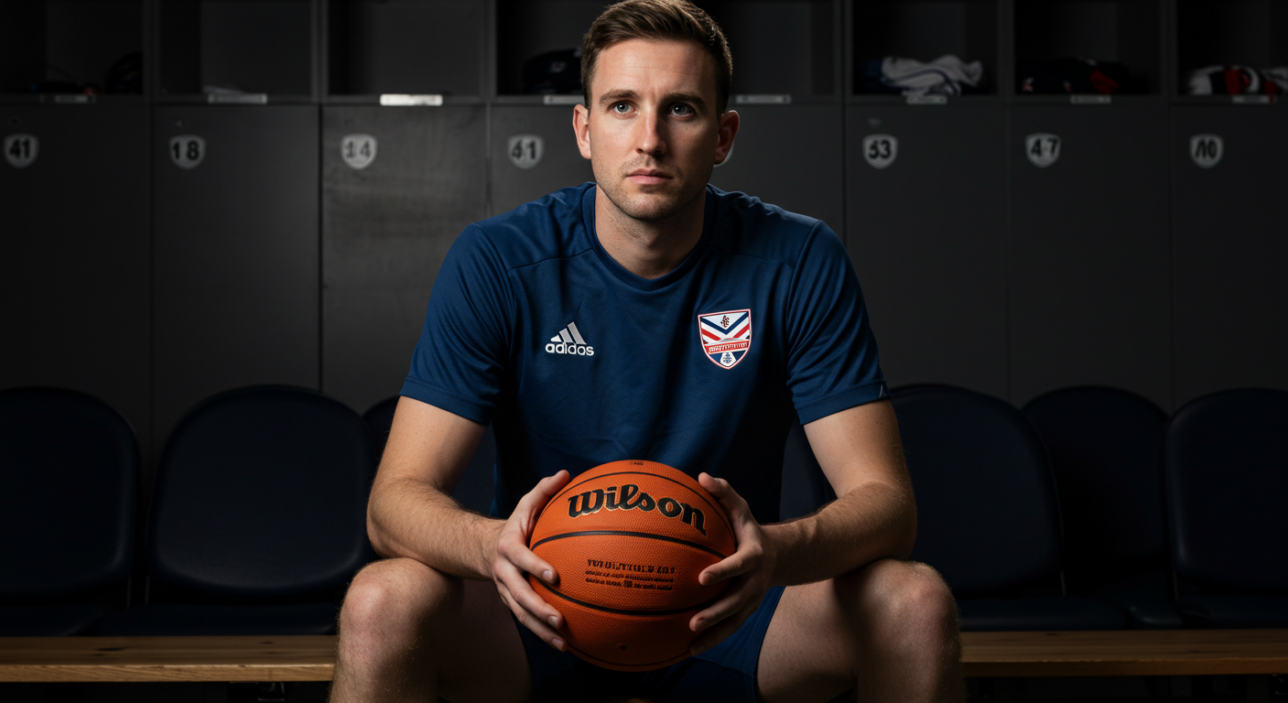
While film sharpens the mind, small-sided drills bring IQ growth onto the court.
Playing 3v3 or 4v4 with constraints forces quicker reads. Limiting dribbles or imposing time restrictions encourages smarter passing and cutting.
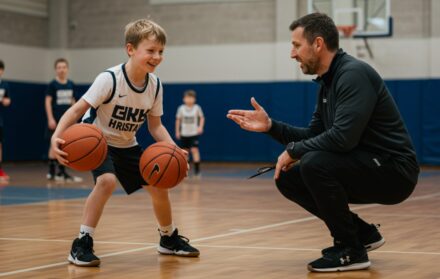
Read-and-react drills push players to adjust based on a coach’s real-time cues. For example, a coach may shout “zone” mid-drill, and players must adapt instantly. These moments replicate the unpredictability of real games.
Scrimmage modifications can also reward intelligent play. Coaches may add bonus points for actions like a well-timed cut, a perfect help rotation, or a successful drive-and-kick. By rewarding smart choices, players learn to value IQ-based decisions alongside scoring.
Cognitive Load Training and Mental Challenges
Cognitive load training prepares players to think clearly under pressure.
Dual-task drills are one approach. A player may dribble while answering questions or reacting to coloured cue cards. This overload trains the brain to manage multiple streams of information, similar to what happens in a live match.
Fatigue simulation ensures that decision-making holds up when tired. Running drills followed by quick reads forces players to rely on efficient processing rather than sloppy habits.
Visual field drills expand peripheral awareness. Exercises where players must spot signals or numbers held up at the edge of their vision while dribbling or passing help widen their scanning range.
By training cognitive resilience under stress, players build an IQ that lasts deep into the fourth quarter.
Feedback, Reflection and Adjustments
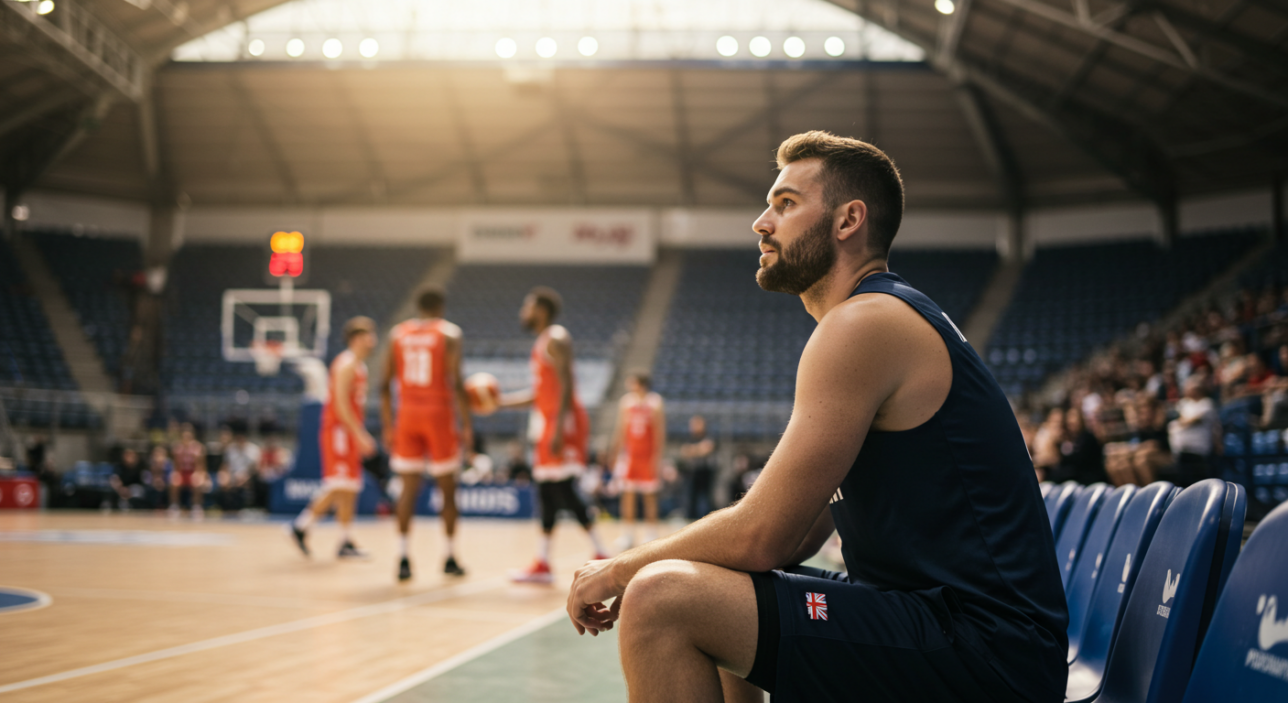
Improvement requires feedback. Video is again a powerful tool. Recording scrimmages or drills allows players to pause and examine decision points. Was the pass to the corner better than the contested drive attempted? Could an earlier rotation have prevented the basket?
Player-coach discussions add another layer. Reviewing “why this choice was made and what alternatives existed” sharpens critical thinking.
Tracking mistakes matters too. Keep a log of poor reads, turnovers, or missed opportunities. Over time, look for patterns in these errors and adjust training accordingly. If turnovers consistently come from forcing passes in transition, dedicate practice time to safer outlet decisions.
Mindset, Growth Thinking and Learning from Mistakes
Basketball IQ thrives when players see mistakes as opportunities rather than failures. A growth mindset encourages experimentation and resilience.
Develop curiosity on the court. After each possession, ask yourself, “Why?” Why did the defence rotate that way? Why was a teammate open in the corner? These questions turn every game into a learning lab.
Exposure accelerates learning. Play in different roles and styles. Guards can try forward positions in scrimmage to understand rebounding angles. Forwards can handle the ball to experience guard decision-making. Facing multiple defences and systems builds a richer decision-making library.
Real-Game Application and Stretching IQ Under Pressure
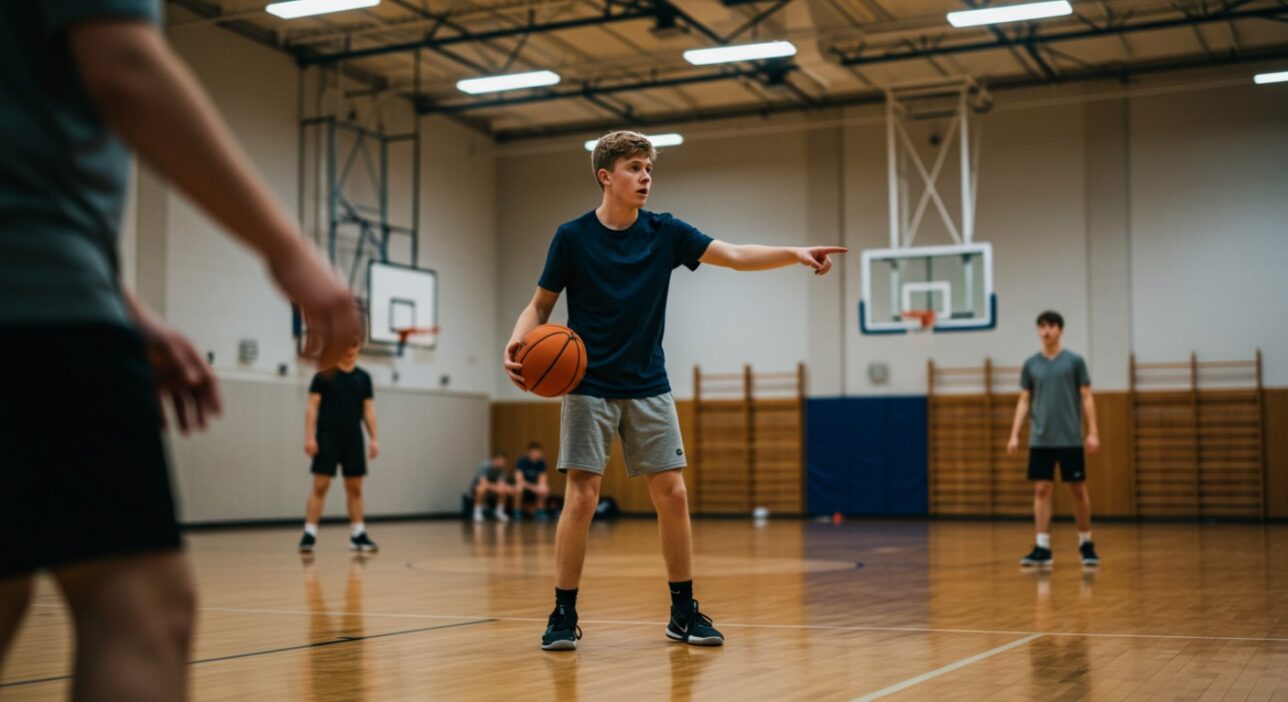
Basketball IQ must eventually be tested under real conditions.
Start with incremental integration. If you have been working on recognising double teams, consciously apply it during live play, even if you only execute it correctly a few times at first.
Use situational reps in training. Practise late-game scenarios where the score is tied with thirty seconds left, or simulate playing against a box-and-one defence. These situational rehearsals prepare you for the mental stress of real games.
Advanced IQ also involves manipulating opponents. High-level players learn to create mismatches, bait defenders into fouls, and control tempo. These pro-level tools build upon the core IQ foundation developed earlier.
Common Pitfalls That Stall IQ Improvement
Several traps prevent players from developing their IQ fully.
-
Relying only on physical drills without dedicating time to mental training.
-
Watching games passively as a fan instead of actively studying.
-
Repeating drills mindlessly without reflecting on the decisions made.
-
Avoiding uncomfortable roles that would expand decision-making.
Recognising and avoiding these pitfalls ensures steady progress.
FAQs
Can basketball IQ be improved at any age?
Yes. While young players often adapt quickly, older players can still sharpen their IQ through film, deliberate drills, and feedback. Experience itself is a valuable teacher.
How many hours of film versus on-court work are ideal?
A balanced approach is best. One to two hours of structured film per week, combined with daily on-court IQ drills, works well for most players.
Does playing multiple positions help IQ?
Absolutely. Understanding different responsibilities broadens situational awareness and makes players more versatile.
When do you know your IQ has improved?
Signs include fewer turnovers, quicker reads under pressure, better spacing, and teammates relying on you for decision-making. Coaches may also notice improved efficiency in possessions.
Conclusion: The Smart Player’s Roadmap to Better Basketball IQ
Basketball IQ is the skill that separates good players from great ones. By strengthening pattern recognition, anticipation, spatial awareness, and memory, players lay the foundation for smart decision-making.
Film study provides structure and repetition, while small-sided drills and cognitive load training push decisions into real time. Feedback and reflection ensure adjustments, and a growth mindset turns errors into fuel for improvement. Real-game application tests and cements everything.
Patience is vital. Cognitive growth may not be visible day by day, but over weeks and months, it shows in better decisions, smarter spacing, and more efficient possessions.
The best way to improve basketball IQ is to combine film, deliberate drills, feedback, and consistent application. Start today by picking one tool, whether it is film prediction drills or small-sided constraint games, and apply it for six to eight weeks. You will not only see your IQ improve but also your overall influence on games.